
Introduction to BMW Hybrid Engines
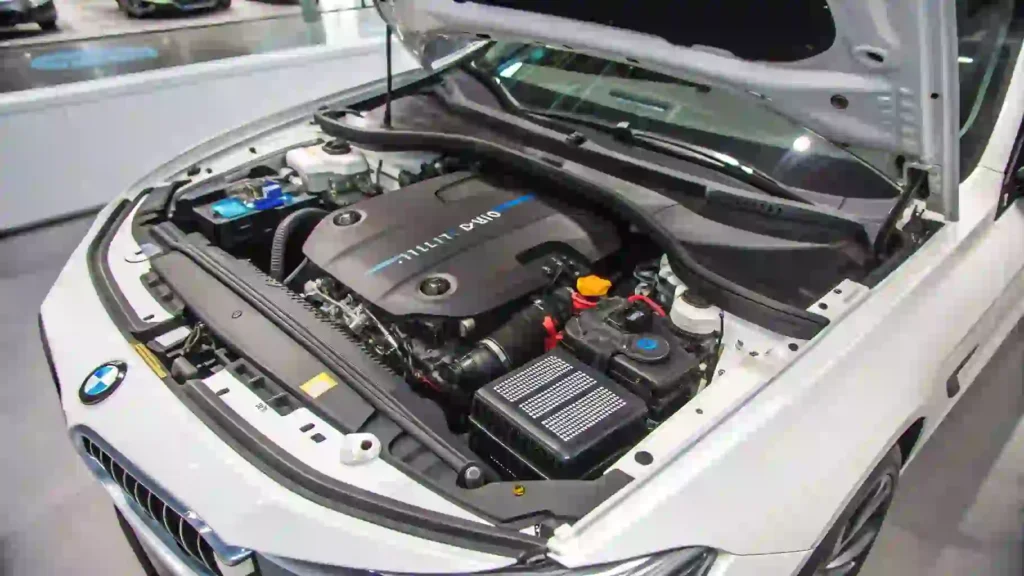
Hybrid engines represent a significant evolution in automotive technology, merging conventional internal combustion engines with electric propulsion systems. This combination not only enhances fuel efficiency but also reduces harmful emissions, thus addressing an urgent need for sustainable transportation solutions. BMW has been at the forefront of this transition, pioneering hybrid technology to create vehicles that efficiently blend performance with environmental considerations.
Understanding hybrid engines involves recognizing their components and functionality. Typically, these engines consist of a petrol or diesel engine paired with an electric motor, which can operate independently or in tandem. This dual system allows for a seamless transition between power sources, optimizing performance based on driving conditions. BMW’s innovative engineering has led to the development of sophisticated hybrid powertrains that cater to a diverse range of driving preferences, from fuel economy to thrilling acceleration.
The significance of hybrid technology in the automotive industry cannot be overstated. As environmental regulations become more stringent and consumer preferences shift towards greener options, manufacturers are compelled to adapt. BMW’s investment in hybrid development reflects its commitment to sustainability and innovation, aligning with global initiatives to reduce carbon footprints. The company has developed models such as the BMW i8 and the BMW 330e, which showcase how hybrid engines can deliver a combination of efficiency and performance while maintaining the luxurious standards expected from the brand.
Furthermore, the shift towards hybrid engines is indicative of broader trends within the industry, such as the gradual transition to full electric vehicles. BMW recognizes that hybrids serve as an essential stepping stone towards achieving a fully electrified vehicle lineup. In this context, examining BMW’s hybrid offerings not only highlights the technology’s current capabilities but also its crucial role in the future of the automotive market.
The Technology Behind BMW Hybrid Engines
BMW hybrid engines exemplify a sophisticated integration of traditional combustion engines with electric motors, designed to enhance performance, efficiency, and environmental sustainability. This synergy between the two provides drivers with a more versatile and powerful vehicle while simultaneously lowering carbon emissions.
At the heart of BMW’s hybrid technology is the dual powertrain system. This system typically comprises a gasoline or diesel engine and one or more electric motors. The internal combustion engine operates in conjunction with the electric motor, which can either assist during acceleration or take over entirely during low-speed driving conditions, effectively promoting energy efficiency.
Integral to this technology is advanced battery technology. BMW hybrid vehicles utilize high-capacity lithium-ion batteries, which are chargeable through regenerative braking systems and external power sources. These batteries store energy generated during braking, converting kinetic energy into electrical energy that is redistributed to power the electric motor or recharge the battery. This efficiency continues the cycle of energy regeneration, allowing for longer electric-only driving ranges and reduced fuel consumption.
Furthermore, BMW implements regenerative braking, a key feature in their hybrid engines. This system captures energy that would otherwise be lost during deceleration and feeds it back into the vehicle’s battery. This not only enhances driving range but also contributes to overall vehicle efficiency, as it reduces reliance on the internal combustion engine when the vehicle is in motion.
In summary, the innovative technology behind BMW hybrid engines showcases the company’s commitment to creating vehicles that combine the best of both worlds. By merging electric motors with traditional engines, leveraging advanced battery technology, and incorporating regenerative braking systems, BMW is leading the charge towards a more sustainable and efficient automotive future.
Advantages of BMW Hybrid Engines
The integration of hybrid technology in BMW vehicles provides a range of significant benefits, making them an increasingly appealing choice for consumers today. One of the most critical advantages of choosing a BMW hybrid vehicle is improved fuel efficiency. With the combination of an electric motor and a traditional internal combustion engine, BMW hybrids leverage the efficiency of both power sources. This synergy allows drivers to experience extended mileage per gallon compared to conventional vehicles, thus addressing fuel consumption issues.
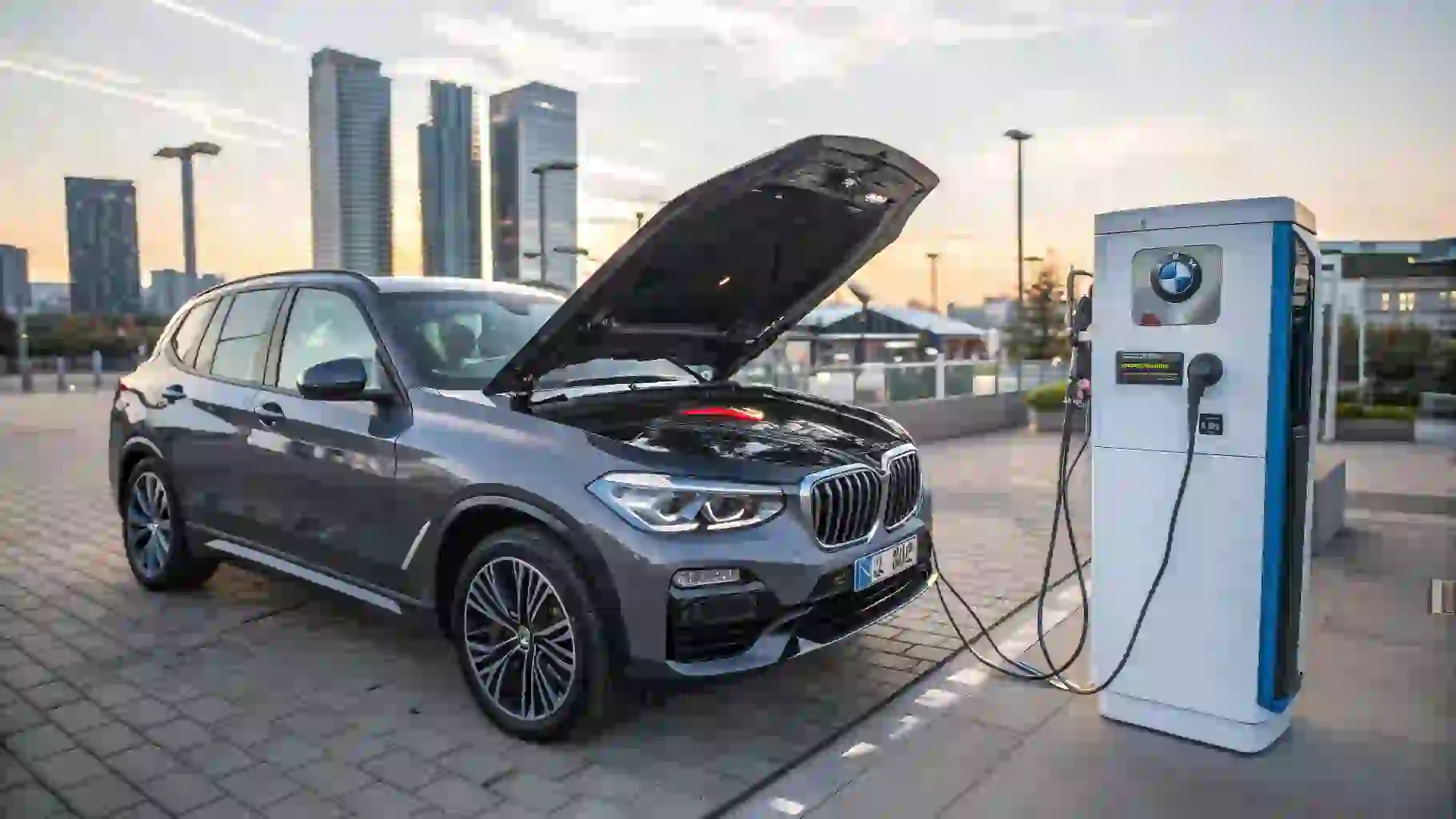
Additionally, the use of hybrid engines contributes to reduced emissions. By enabling electric-only driving modes, these vehicles minimize carbon footprints when operating in urban environments or during short trips. As governments worldwide implement tighter emissions regulations, BMW hybrids can help drivers contribute to a greener planet while enjoying the performance characteristics the brand is known for.
Another significant benefit is the enhanced driving experience unique to hybrid systems. BMW engineers prioritize not just performance but also responsiveness. Hybrid models often offer instant torque due to the electric motor, resulting in quicker acceleration and a pleasingly smooth driving experience. The integration of regenerative braking also means that energy is recaptured and used to recharge the hybrid battery, further improving efficiency. Drivers get to enjoy the luxury and comfort of a BMW vehicle while benefitting from cutting-edge hybrid technology.
Moreover, with the growing popularity of hybrid vehicles, consumers are increasingly presented with advanced technologies that promote connectivity and convenience. Features such as energy consumption displays and intelligent drive modes allow drivers to optimize their vehicle’s performance to suit different driving conditions and personal preferences.
Popular BMW Hybrid Models
BMW has carved out a significant presence in the hybrid vehicle market, offering a range of models that combine performance, efficiency, and luxury. Among the most noteworthy hybrid offerings from the brand are the BMW 3 Series Plug-in Hybrid, the BMW X5 xDrive45e, and the BMW 7 Series Plug-in Hybrid.
The BMW 3 Series Plug-in Hybrid represents a harmonious blend of performance and efficiency. It features a 2.0-liter BMW TwinPower Turbo engine paired with an electric motor, delivering a combined output of 288 horsepower. This sporty sedan offers optimized fuel economy and an electric-only driving range that is practical for daily commutes. The driving dynamics are enhanced through its sporty design, allowing for a truly engaging driving experience.
Next, the BMW X5 xDrive45e stands out in the category of luxury hybrid SUVs. With a powerful 3.0-liter BMW TwinPower Turbo engine that works in conjunction with an electric motor, it produces an impressive combined output of 389 horsepower. This model showcases remarkable versatility with enhanced space and comfort, along with the capability to drive on electric power for short distances, making it suitable for urban driving. Additionally, the X5 xDrive45e is equipped with innovative technology that optimizes energy usage, enhancing overall efficacy.
Lastly, the BMW 7 Series Plug-in Hybrid embodies the epitome of luxury and advanced technology in hybrid vehicles. This flagship sedan couples a robust internal combustion engine with an electric powertrain, generating an output of 322 horsepower. The 7 Series not only prioritizes performance but also emphasizes comfort and cutting-edge features, including a highly customizable interior and advanced driver assistance systems. This model is a testament to BMW’s commitment to blending elite performance with eco-friendly alternatives.
These popular BMW hybrid models demonstrate the company’s dedication to enhancing driving capabilities while reducing environmental impact, solidifying their position in the evolving hybrid automotive market.
Performance and Driving Experience
The performance of BMW hybrid engines marks a significant advancement in both acceleration and handling, paving the way for an exhilarating driving experience. BMW’s hybrid technology combines an efficient gasoline engine with an electric motor, resulting in a system that not only enhances fuel economy but also boosts overall performance. As a result, drivers enjoy rapid acceleration that seamlessly transitions from electric power to gasoline without any noticeable delay.
One of the highlights of BMW hybrid models is their ability to deliver instant torque from the electric motor. This characteristic allows for rapid launch from a standstill, providing a thrilling driving experience often associated with traditional sports cars. The integration of hybrid technology also means that drivers can enjoy the benefits of an agile and responsive driving feel. The added weight of the battery system is counterbalanced by the strategic placement of hybrid components, helping maintain optimal handling dynamics.
Moreover, BMW hybrid engines are designed to operate intelligently, optimizing the use of electric and gasoline power according to driving conditions. At lower speeds, such as in city driving, the electric motor often handles propulsion, leading to a quieter ride and reduced emissions. Once the demand for acceleration increases, the gasoline engine engages seamlessly, allowing for robust performance without interruption. This efficient transition not only enhances performance but also improves the overall driving experience, making it smoother and more enjoyable.
In addition to performance, BMW hybrids are equipped with advanced driving assistance systems that augment their capabilities. Features such as regenerative braking, which captures energy during deceleration, contribute to both efficiency and performance. Thus, BMW hybrid engines stand out for their remarkable blend of power, efficiency, and a driving experience that caters to both dynamic performance enthusiasts and eco-conscious drivers alike.
Maintaining Your BMW Hybrid Engine
Ensuring the longevity and optimal performance of your BMW hybrid engine requires a structured approach to maintenance. Unlike traditional gasoline engines, hybrid systems combine petrol and battery technologies, thus introducing unique components that necessitate specific attention. One of the primary aspects to focus on is battery care, which plays a crucial role in the efficiency of any hybrid vehicle.
First and foremost, the battery’s health should be regularly monitored. Understanding that hybrid batteries can degrade over time due to heat and charging cycles is vital. Drivers should follow manufacturer guidelines on how to maximize battery lifespan, which often includes avoiding extreme temperatures where feasible and not fully depleting the battery between charges. Additionally, regular checks for any software updates provided by BMW can help maintain optimal battery performance.
Another critical factor in maintaining your BMW hybrid engine lies in regular servicing. Scheduled maintenance not only keeps the engine running smoothly but also ensures that components unique to hybrid systems are functioning correctly. Regular service checks by a qualified technician can help in identifying potential issues before they become significant problems. This maintenance should involve not only the engine but also the electric motor, regenerative braking systems, and cooling systems due to their integral role in hybrid functionality.
It is also important for owners to familiarize themselves with the hybrid technology in their BMW. Understanding how the components work together can aid in recognizing signs of wear or failure early. Engaging with the vehicle’s onboard diagnostics can provide useful insights into performance and areas needing attention. By adopting these best practices, one can ensure their BMW hybrid vehicle operates effectively, providing both power efficiency and reliability for years to come.
BMW’s Commitment to Sustainability
In recent years, the automotive industry has faced increasing pressure to prioritize sustainability and reduce environmental impacts. BMW, a leader in the premium car segment, recognizes this imperative and has dedicated itself to sustainable development, particularly through the advancement of hybrid technologies. By integrating hybrid engines into their vehicle lineup, BMW is taking significant steps toward reducing carbon emissions, thus contributing to a cleaner environment.
The brand has committed to the “Next Sustainable Generation” initiative, which includes plans to improve the efficiency of its combustion engines and increase the share of hybrid models in its offerings. Hybrid vehicles, which combine traditional internal combustion engines with electric propulsion, serve as a bridge towards fully electric mobility solutions. Through research and development, BMW aims to enhance these hybrid systems, ensuring they optimize fuel efficiency and lower emissions without sacrificing performance.
BMW’s commitment extends beyond just vehicle production. The company actively participates in global sustainability efforts, aiming to align with international climate targets set by organizations such as the Paris Agreement. Their strategy includes comprehensive measures for reducing not only the emissions produced by their cars but also the carbon footprint of their manufacturing processes. This holistic approach reflects BMW’s long-term vision that emphasizes sustainable practices throughout the entire lifecycle of a vehicle.
Moreover, BMW is investing heavily in renewable energy sources for its production facilities, aiming to achieve carbon neutrality in its production sites by 2025. This transition supports the company’s overarching goal of sustainability, enhancing the role of hybrid technology in bridging traditional and future automotive solutions. With a solid commitment to sustainability, BMW is positioning itself as a key player in the shift towards more environmentally friendly automotive choices.
The Future of BMW Hybrid Technology
As the automotive industry continues to evolve, BMW remains committed to leading innovations in hybrid technology. The future of hybrid engines in BMW vehicles promises to be exciting, with a strong focus on sustainability and performance. With increasing global emphasis on reducing emissions and enhancing fuel efficiency, BMW is actively investing in research and development to push the boundaries of hybrid capabilities.
One notable trend in hybrid technology is the integration of electric and conventional powertrains, which enables vehicles to operate more efficiently. BMW plans to enhance its hybrid offerings by developing plug-in hybrids that offer greater electric-only ranges. These advancements are expected to significantly reduce dependence on fossil fuels while providing drivers with the engaging performance synonymous with the BMW brand.
Additionally, BMW is exploring advanced battery technologies to support the next generation of hybrids. Improved battery life and reduced charging times will be pivotal in enhancing the user experience and ensuring that hybrid vehicles remain competitive in a rapidly changing market. Innovations such as solid-state batteries are on the horizon, promising lighter and more efficient energy storage solutions that can revolutionize the driving experience.
Another aspect of the future involves the implementation of artificial intelligence and smart connectivity in hybrid vehicles. By leveraging these technologies, BMW aims to create a seamless interaction between the driver and the car, optimizing performance and energy consumption. This strategy aligns with the broader automotive trend towards automation, ensuring that BMW hybrids are equipped to meet the demands of modern drivers.
Overall, as BMW continues to innovate within the realm of hybrid engines, the company’s commitment to quality and sustainability will guide its future developments. The integration of cutting-edge technology and a focus on performance and efficiency promises to redefine what consumers expect from hybrid vehicles in the coming years.
Conclusion
In this comprehensive guide, we have explored the evolution and significance of hybrid technology within BMW’s impressive lineup. The progressive transition from traditional internal combustion engines to hybrid solutions showcases BMW’s commitment to sustainability without sacrificing performance. Hybrid engines combine the efficiency of electric propulsion with the power of gasoline engines, offering drivers an environmentally conscious yet exhilarating driving experience.
Throughout our discussion, we highlighted various hybrid models that reflect BMW’s innovative approach to automotive engineering. From the efficiency of the BMW i3 to the sporty thrill of the BMW 530e, each model incorporates advanced hybrid technology designed to enhance fuel economy while delivering robust performance. The integration of regenerative braking, electric-only driving modes, and smart energy management systems underscores BMW’s dedication to creating sustainable mobility options.
Furthermore, we examined the numerous benefits of hybrid ownership, including lower emissions, reduced fuel costs, and potential tax incentives. These advantages not only contribute positively to the environment but also appeal to a growing audience of eco-conscious consumers. As the automotive industry continues to shift towards greener alternatives, BMW’s hybrid engines represent a significant step in meeting future mobility demands.
As this guide concludes, it is evident that hybrid technology is vital in shaping the future of BMW vehicles, highlighting the brand’s innovative spirit and commitment to sustainability. We encourage readers to consider the advantages of hybrid ownership and to explore the diverse range of BMW hybrid models available, contributing to a more sustainable automotive landscape.