
Introduction to Hybrid Technology in Automobiles
Hybrid technology in automobiles represents a significant advancement in the automotive industry, combining the strengths of traditional internal combustion engines with the benefits of electric propulsion. A hybrid engine typically consists of two power sources: an internal combustion engine (ICE) and one or more electric motors. This innovative configuration allows for seamless transition between power sources, optimizing performance and fuel efficiency.
Unlike conventional engines that rely solely on gasoline or diesel, hybrid engines leverage electric energy stored in batteries, allowing for lower emissions and reduced fuel consumption. This dual approach facilitates better energy management, enabling vehicles such as the Porsche hybrid models to operate more efficiently. As a result, drivers can experience improved acceleration and a quieter ride, particularly at lower speeds, as the electric motor engages first.
In contrast with fully electric engines, which depend entirely on battery power, hybrids have the advantage of offering greater range and flexibility. The combustion engine provides charging capabilities for the batteries, ensuring that drivers can travel longer distances without the anxiety of running out of charge, which may be a concern for purely electric vehicles. As manufacturers like Porsche continue to innovate, hybrid technology is becoming integral to reducing overall emissions while maintaining the driving experience expected by enthusiasts.
The development of hybrid engines aligns closely with the automotive industry’s push toward sustainability. By increasing fuel efficiency and lowering harmful emissions, hybrid technology not only meets regulatory requirements but also addresses growing consumer demand for environmentally friendly alternatives. Thus, understanding how hybrid engines function and their implications on efficiency and emissions is essential for embracing the future of automotive engineering.
Porsche’s Commitment to Hybrid Engines
Porsche has long been recognized as a leader in the automotive industry, not only for its high-performance vehicles but also for its progressive approach to sustainability. Over the years, the company has made a substantial commitment to hybrid technology, evolving from traditional combustion engines to a more eco-friendly hybrid lineup. This shift is driven by Porsche’s mission to blend performance with sustainability, reinforcing their position in an increasingly competitive market.
The journey towards hybrid engines at Porsche began in earnest in the early 2000s, with the introduction of the Porsche Cayenne S Hybrid in 2010, marking the brand’s first foray into the hybrid segment. This SUV showcased Porsche’s intent to create vehicles that deliver both power and efficiency, an ethos that continues to resonate today. With hybrid technology, Porsche aims to reduce carbon emissions without sacrificing the thrilling driving experience that is synonymous with its name.
Significant milestones followed this initial step, including the launch of the Porsche 918 Spyder in 2015, a plug-in hybrid supercar that combined cutting-edge engineering with environmental responsibility. This model featured a high-performance hybrid powertrain that allowed for remarkable acceleration while being remarkably efficient. Additionally, the introduction of the Panamera 4 E-Hybrid further reinforced Porsche’s commitment to hybrid engines, offering an impressive blend of luxury, performance, and eco-friendliness.
As Porsche continues to innovate, its hybrid lineup is set to expand, responding to the growing demand for sustainable mobility solutions. The future roadmap indicates further investments in hybrid technology across various models, aligning with the brand’s dedication to reducing its environmental footprint without compromising the essence of driving performance. Porsche’s evolution toward hybrid engines exemplifies a strategic blend of its heritage and a progressive vision for sustainable driving.
Key Components of Porsche Hybrid Engines
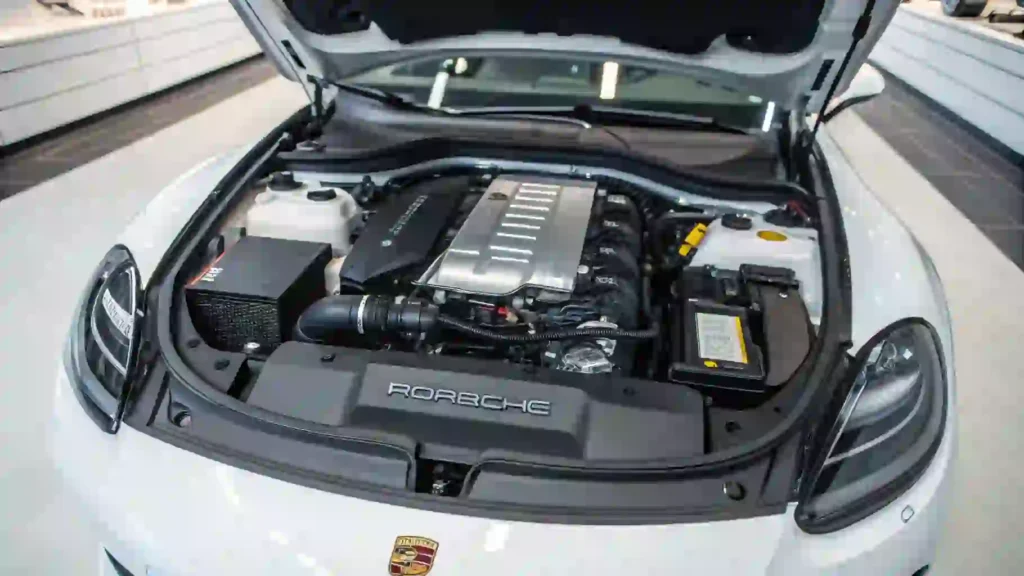
Porsche hybrid engines are sophisticated systems that integrate various components, each playing a crucial role in enhancing performance and efficiency. The primary elements of these hybrid systems include electric motors, batteries, and regenerative braking systems.
The electric motor is a vital component of Porsche’s hybrid technology. It operates in tandem with the internal combustion engine, allowing for improved torque delivery and overall power output. This synergy enables Porsche vehicles to achieve remarkable acceleration and performance while maintaining lower emissions. The electric motor also allows for operation in electric-only mode, significantly improving urban driving experiences.
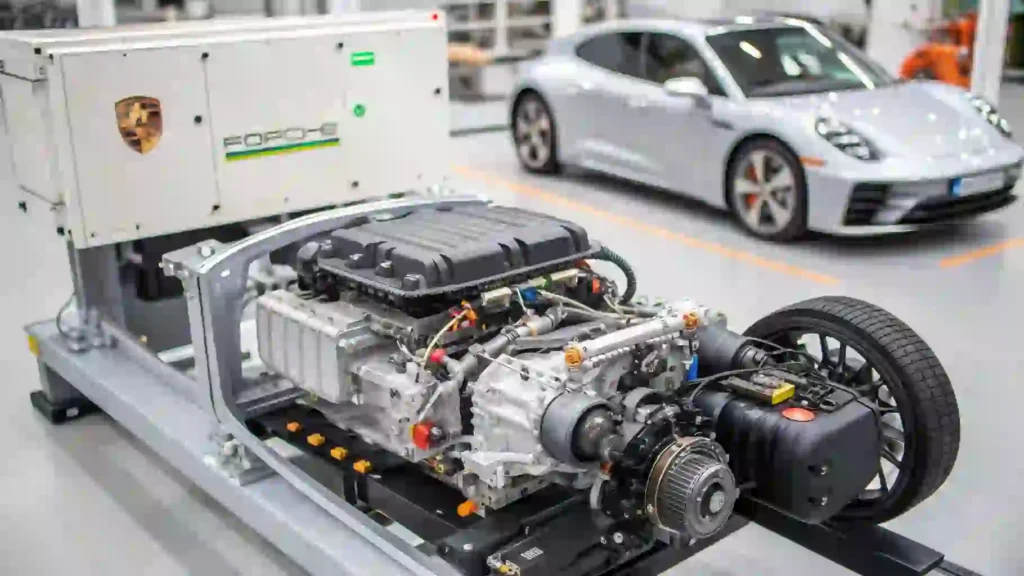
Batteries serve as the power source for the electric motor. In Porsche hybrid models, lithium-ion batteries are commonly used due to their high energy density and efficiency. These batteries store energy generated during braking or when the internal combustion engine operates in excess of the vehicle’s power needs. Porsche’s engineers have made significant strides in battery management systems that ensure optimal performance, extending the lifespan of the batteries while maximizing the overall efficiency of the hybrid engine.
Another essential component of Porsche hybrid engines is the regenerative braking system. This system captures kinetic energy, which would otherwise be lost during braking, and converts it into electrical energy that is stored in the battery. This process not only aids in enhancing the vehicle’s overall efficiency but also provides additional power when needed. The integration of regenerative braking ensures that mission of efficiency aligns with Porsche’s pursuit of performance, setting these hybrid engines apart from conventional designs.
In summary, the key components of Porsche hybrid engines work in harmony to deliver a driving experience that embodies both high performance and efficient energy usage. By leveraging advanced technology, Porsche aims to maintain its reputation for engineering excellence while adapting to the evolving automotive landscape.
Performance Benefits of Hybrid Engines in Porsche Cars
Hybrid engines have revolutionized the automotive landscape, particularly in high-performance brands like Porsche. By integrating electric motors with traditional internal combustion engines, Porsche’s hybrid vehicles achieve remarkable enhancements in power output, acceleration, and handling. This combination allows Porsche to maintain its reputation for delivering thrilling driving experiences while adhering to contemporary environmental standards.
The most evident performance benefit of Porsche’s hybrid technology is its superior power delivery. Electric motors provide instant torque, which translates into a more responsive and exhilarating acceleration. For instance, models like the Porsche Panamera 4 E-Hybrid demonstrate how an electric motor can augment traditional engine power, resulting in rapid acceleration that can rival that of purely combustion-powered counterparts. This seamless transition between electric and gasoline power not only enhances speed but also improves overall driving dynamics.
Furthermore, the advanced technology used in Porsche hybrids significantly benefits handling characteristics. Many of these vehicles come equipped with sophisticated all-wheel-drive systems that optimize traction and stability. The electric motor contributes to a lower center of gravity, enhancing cornering abilities and overall agility. Such attributes are crucial as they allow drivers to experience the thrill of Porsche performance without compromising control, even at higher speeds or challenging road conditions.
In addition to performance enhancements, hybrid vehicles allow Porsche to utilize energy-efficient technologies that benefit both driving and emissions. The regenerative braking system, for example, helps reclaim energy that is typically lost in traditional braking systems. As a result, not only do drivers enjoy an impressive performance boost, but they also engage in more sustainable driving practices.
Environmental Impact and Fuel Efficiency
Porsche has made significant strides in reducing the environmental impact of its vehicles, particularly through the development of hybrid engines. These hybrid configurations combine both electric and traditional internal combustion engine technologies, enabling Porsche to achieve impressive fuel efficiency while minimizing emissions. The integration of electric motors not only enhances the performance of Porsche vehicles but also aids in reducing greenhouse gas emissions.
In terms of fuel efficiency, Porsche’s hybrid engines have shown substantial improvements over their traditional engine counterparts. By utilizing advanced regenerative braking systems and hybrid drivetrains, models such as the Porsche Cayenne Hybrid and the Porsche Panamera Hybrid have achieved notable gains in miles per gallon (MPG). For instance, the Cayenne Hybrid boasts an impressive MPG rating, particularly during city driving, by relying heavily on electric power for short trips. This shift not only conserves fuel but also contributes to a reduced carbon footprint, aligning with global efforts to combat climate change.
Moreover, Porsche’s commitment to environmental stewardship extends beyond just fuel efficiency. The company actively participates in initiatives aimed at reducing automotive emissions across the industry. Recent studies indicate that hybrid technology can reduce carbon emissions by up to 30% compared to conventional gasoline engines. This reduction is critical, especially in urban areas where air quality is often compromised by vehicle emissions. By incorporating hybrid engines into their line-up, Porsche is setting a precedent in the luxury automotive sector, demonstrating that high-performance vehicles can coexist with environmental responsibility.
The overall impact of Porsche’s hybrid engines is significant, not just for the brand itself but also for the automotive industry as a whole. By leading in hybrid technology innovation, Porsche is helping to shift consumer perceptions and encouraging other manufacturers to adopt similar practices, ultimately pushing the automotive market toward a more sustainable future.
Popular Porsche Hybrid Models
Porsche has made significant strides in hybrid technology, introducing several models that showcase its commitment to performance and sustainability. Two of the most popular hybrid models are the Porsche Cayenne E-Hybrid and the Porsche Panamera E-Hybrid, each offering unique features and specifications that cater to different driving preferences.
The Porsche Cayenne E-Hybrid is a luxury SUV that combines versatility with high-performance capabilities. This model features a 3.0-liter V6 engine paired with an electric motor, producing a combined output of 455 horsepower. The synergy between the petrol engine and electric power allows for exceptional acceleration, enabling the Cayenne E-Hybrid to reach 0 to 60 mph in just 4.7 seconds. Furthermore, it boasts an all-electric range of approximately 14 miles, making it suitable for short commutes without consuming fuel. Additional features include adaptive air suspension and a modern infotainment system, which provide both comfort and connectivity.
On the other hand, the Porsche Panamera E-Hybrid stands as a sports sedan that brings a blend of luxury and dynamic performance. It is equipped with a 2.9-liter V6 twin-turbo engine, coupled with an electric motor that generates a combined 457 horsepower. The Panamera E-Hybrid showcases Porsche’s signature handling capabilities, allowing it to sprint from 0 to 60 mph in just 4.2 seconds. With a greater electric-only range of up to 31 miles, it is an efficient choice for those who frequently drive in urban environments. In addition to its powerful hybrid engine, the Panamera E-Hybrid also includes luxurious interior options and advanced driver assistance systems.
Both the Cayenne E-Hybrid and Panamera E-Hybrid exemplify Porsche’s dedication to blending sportiness with sustainability, making them key players in the hybrid automotive market.
Charging Infrastructure and Ownership Experience
As the popularity of the Porsche hybrid models rises, the importance of a reliable and accessible charging infrastructure becomes increasingly significant. For Porsche owners, several charging options are available that cater to various lifestyles and preferences. Home charging solutions have emerged as one of the most convenient methods for hybrid vehicle owners. Installing a Level 2 charging station at home allows for efficient overnight charging, enabling hybrid owners to wake up to a fully charged vehicle each day.
Many Porsche dealers also offer charging stations, making it convenient for owners to recharge before or after a service visit. Moreover, Porsche has partnered with various charging networks, ensuring drivers have access to a vast array of public charging options. This includes fast chargers located along highways that facilitate longer journeys and help reduce range anxiety, further enhancing the ownership experience.
In addition to the technical aspects of charging, the integration of a Porsche hybrid into daily life can be quite seamless. The ownership experience is characterized by not only the thrill of driving a Porsche but also by the reduced carbon footprint that hybrid models provide. As traditional gasoline fuels are increasingly scrutinized, Porsche hybrids stand as a smart alternative for environmentally conscious drivers. With the added convenience of charging at home, hybrid owners can contribute positively to the environment while enjoying the performance and luxury synonymous with the Porsche brand.
Overall, the combination of accessible charging infrastructure and the refined ownership experience makes driving a Porsche hybrid a satisfying and eco-friendly choice. As technologies evolve and the availability of charging stations improves, owners can expect a seamless experience that aligns perfectly with modern lifestyle demands.
Future of Hybrid Technology at Porsche
In recent years, Porsche has made substantial advancements in hybrid technology, positioning itself as a leader in the field of high-performance electrified vehicles. The brand has notably integrated hybrid systems into some of its most iconic models, such as the Porsche Cayenne and the Panamera, enhancing driving performance while improving efficiency. Looking ahead, Porsche is expected to expand its hybrid offerings significantly, introducing new models that embrace cutting-edge technology.
The company has identified hybrid powertrains as essential to its future lineup, which aligns with global efforts to reduce carbon emissions. Future models are likely to incorporate more sophisticated battery management systems that maximize performance during dynamic driving. This could lead to enhanced energy recovery systems, allowing the vehicles to harness kinetic energy more effectively. As demonstrated by the recent introduction of the all-electric Taycan, Porsche is committed to transitioning toward sustainable mobility without sacrificing the exhilarating driving experience that enthusiasts expect.
Research and development efforts will likely focus on improving battery efficiency and reducing weight, factors that are critical for the performance-oriented nature of Porsche vehicles. Advances in lightweight materials may also be employed, further elevating the vehicle dynamics. Additionally, the incorporation of intelligent software will play an essential role; by optimizing power distribution between the combustion engine and electric motor, Porsche can enhance both efficiency and acceleration.
Furthermore, Porsche’s commitment to hybrid technology reflects a broader industry trend towards electrification. As regulatory standards become increasingly stringent, automakers are adopting hybrid and electric solutions to meet consumer demands for both sustainability and performance. With ongoing investments and innovations on the horizon, Porsche is poised to redefine what high-performance hybrid vehicles can achieve.
Conclusion: The Legacy of Porsche Hybrid Engines
Porsche has long been a pioneer in the automotive industry, and its venture into hybrid technology marks a significant evolution in the brand’s commitment to innovation and sustainability. Over the years, the company has developed a variety of hybrid models that blend the thrill of performance with the need for efficiency, setting standards that resonate throughout the market. The introduction of hybrid engines in models such as the Porsche Cayenne and Panamera not only showcases the brand’s engineering prowess but also highlights its adaptability to changing automotive trends.
The transition toward hybrid solutions aligns with global efforts to reduce carbon footprints and enhance fuel efficiency. Porsche’s engineering team has successfully integrated hybrid technology, ensuring that the driving experience remains exhilarating while also contributing to a more sustainable future. This strategic move reflects the brand’s ongoing dedication to hybrid innovation, making high-performance vehicles that are capable of meeting contemporary environmental challenges.
Moreover, as the automotive landscape continues to evolve, the importance of hybrid engines becomes increasingly critical. With an emphasis on sustainability, Porsche’s commitment to hybrid technology exemplifies a future where performance and eco-friendliness coexist. The advancements made by Porsche not only influence its own vehicle lineup but also serve as a blueprint for other manufacturers in the industry, underscoring its leadership role in the shift toward cleaner transportation.
In summary, Porsche’s contributions to hybrid technology extend beyond merely upgrading its product offerings. They reflect a broader vision of an automotive future characterized by reduced emissions and sustainable practices, ensuring the brand remains at the forefront of innovation while delighting driving enthusiasts worldwide.