
Introduction to Hybrid Technology
Hybrid technology represents a significant advancement in automotive engineering, combining both internal combustion engines (ICE) and electric propulsion systems to improve efficiency and reduce emissions. Unlike traditional combustion engines, which rely solely on gasoline or diesel, hybrid systems utilize a combination of fuel and electric power. This enables vehicles to optimize performance, leading to reduced fuel consumption without compromising power delivery.
The concept of hybrid technology is not entirely new; its roots can be traced back to the late 19th century. Early models, such as the 1899 Lohner-Porsche Mixte, showcased the potential of merging electric motors with combustion engines. However, it wasn’t until recent decades that hybrid technology gained traction, particularly due to the increasing awareness of climate change and the need for sustainable transportation solutions. Importantly, automakers like Mercedes-Benz have played a crucial role in the evolution of hybrid engines, pushing the boundaries of innovation to create more efficient and environmentally friendly vehicles.
Mercedes-Benz began its foray into hybrid technology with the launch of the S-Class hybrid in 2009, marking a pivotal moment in the brand’s commitment to sustainable mobility. Since then, the company has expanded its hybrid offerings, showcasing their unique approach to integrating electric motors within their highly regarded models. This commitment to innovation has positioned Mercedes at the forefront of hybrid technology in the automotive industry.
As we delve deeper into the specifics of Mercedes hybrid engines, it becomes essential to recognize how the company differentiates its offerings amid a competitive landscape. The unique combination of performance, luxury, and environmentally friendly technology embodies the brand’s commitment to paving the way for the future of mobility.
Overview of Mercedes Hybrid Models
Mercedes has established itself as a frontrunner in the automotive industry, particularly in the realm of hybrid vehicles. The brand’s commitment to innovation and sustainability is evidenced through its diverse lineup of hybrid models, catering to various consumer needs and preferences. Among these, the Mercedes-Benz C-Class Hybrid, E-Class Hybrid, and GLE Hybrid are some of the most notable offerings.
The Mercedes-Benz C-Class Hybrid is designed for those seeking a compact executive car that combines luxury with efficiency. Targeted primarily at urban professionals, this model features a sophisticated interior filled with advanced technology. Its hybrid powertrain enables the C-Class Hybrid to deliver impressive fuel economy while retaining the performance characteristics that the Mercedes brand is known for.
Moving up the range, the E-Class Hybrid appeals to families and business users alike, offering a blend of comfort and practicality. The E-Class Hybrid showcases an extended electric range, allowing drivers to navigate cityscapes with minimal emissions. Key features include a spacious cabin, cutting-edge infotainment systems, and advanced safety technologies, making it a compelling choice for those in the market for a premium vehicle.
Finally, the GLE Hybrid represents Mercedes’ versatility in the hybrid segment with its SUV design. This model targets consumers seeking an environmentally conscious yet robust option for family adventures. Equipped with all-wheel drive capabilities, the GLE Hybrid accommodates both power and efficiency, making it suitable for various terrains. With modern design elements and spacious interiors, this hybrid SUV fulfills the desires of modern consumers.
Overall, Mercedes hybrid models not only reflect the company’s dedication to eco-friendly driving but also ensure that consumers experience luxury and performance.
Understanding the Mechanics of Mercedes Hybrid Engines
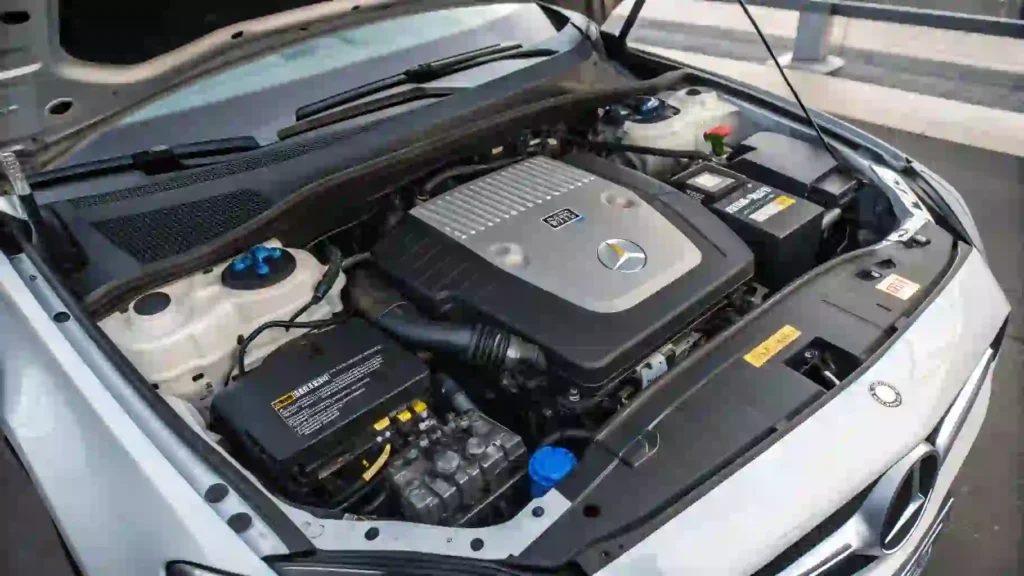
Mercedes hybrid engines exemplify advanced automotive technology by seamlessly integrating an internal combustion engine (ICE) with an electric motor. This hybrid architecture facilitates various driving modes that optimize fuel efficiency and performance. At the core of this system lies the electric motor, which can function independently or in concert with the ICE to enhance acceleration and reduce fuel consumption.
One key component of Mercedes hybrid systems is the battery technology utilized. These batteries are typically lithium-ion, known for their high energy density and efficiency. The battery stores energy generated from regenerative braking, which captures kinetic energy during deceleration. This stored energy can be used later to power the electric motor, particularly during low-speed driving scenarios where emissions and noise levels are minimized. This innovative method of energy recuperation illustrates how Mercedes is committed to sustainable engineering.
Power distribution is another critical aspect of how Mercedes hybrid engines operate. The vehicle’s onboard computer manages the flow of energy between the electric motor and the ICE, ensuring optimal performance based on driving conditions. For example, during highway cruising or more demanding acceleration, the ICE may engage to provide additional power. Conversely, at lower speeds, the vehicle can operate solely on electric power, thereby reducing fuel consumption and emissions significantly.
Additionally, Mercedes hybrid models also come equipped with sophisticated driving assistance systems that enhance the overall user experience. These systems deliver real-time data concerning battery status and energy flow, informing the driver of the most efficient driving practices. By providing this information, Mercedes not only enhances the driving experience but also promotes environmentally friendly driving habits.
Benefits of Mercedes Hybrid Engines
Mercedes hybrid engines offer several advantages that appeal to a wide range of consumers, particularly those focused on sustainability and efficiency. One of the most significant benefits is enhanced fuel efficiency. These vehicles utilize a combination of a traditional internal combustion engine and an electric motor, allowing for optimal performance while minimizing fuel consumption. This duality enables drivers to experience lower fuel costs over time, especially in urban settings where the electric motor can operate independently in stop-and-go situations.
Another key advantage is the reduction in harmful emissions. Mercedes hybrid engines transition seamlessly between electric and gasoline power, contributing to lower greenhouse gas emissions compared to conventional gasoline vehicles. This is crucial for individuals seeking to minimize their environmental footprint. By adopting hybrid technology, consumers become part of the solution to combat climate change while still enjoying the luxury and performance that Mercedes is known for.
Cost savings extend beyond fuel efficiency to maintenance as well. Hybrid vehicles generally require less maintenance due to the reduced reliance on the gasoline engine, translating into fewer visits to the mechanic. Mercedes’ engineering ensures that these vehicles are built with longevity in mind, which can result in lower overall ownership costs.
Moreover, driving a Mercedes hybrid does not compromise the dynamic driving experience. These vehicles are designed to deliver superior handling, speed, and comfort, allowing drivers to enjoy the thrill of driving while being eco-conscious. The transition between power sources is designed to be smooth, providing a seamless experience that enhances the joy of driving a Mercedes.
Mercedes Hybrid Engine Technology Innovations
Mercedes has consistently been a leader in automotive innovation, and their advancements in hybrid engine technology are no exception. One of the most significant innovations is the introduction of EQ Power technology, designed to enhance both performance and efficiency. This technology enables vehicles to operate in electric mode for shorter commutes, effectively reducing emissions and fuel consumption while providing a seamless transition between electric and gasoline power.
Furthermore, Mercedes has integrated sophisticated regenerative braking systems into their hybrid platforms. These systems capture and store energy that would typically be lost during braking, allowing the vehicle to repurpose that energy to recharge the battery. This not only contributes to overall energy efficiency but also enhances the driving experience by providing immediate power when needed. The regenerative braking system exemplifies how Mercedes hybrid engines are engineered to ensure that efficiency does not come at the cost of performance.
Another noteworthy innovation is the advanced energy management systems employed by Mercedes. These systems work intelligently to optimize the power distribution between the internal combustion engine and the electric motor. By actively monitoring driving conditions and the vehicle’s energy demands, these systems maximize efficiency and performance. This sophisticated approach ensures that the Mercedes hybrid engines are not only responsive but also maintain exceptional fuel economy ratings, catering to environmentally conscious drivers without compromising on luxury or style.
Through these innovations, Mercedes continues to redefine the boundaries of hybrid engine technology. Their focus on passenger comfort, performance, and environmental responsibility sets them apart in the competitive automotive landscape, positioning Mercedes as a pioneering force in the future of hybrid vehicles.
Performance Comparisons: Hybrid vs. Traditional Engines
The performance capabilities of Mercedes hybrid engines present an intriguing alternative to their traditional gasoline and diesel counterparts. When evaluating performance, several key metrics arise: acceleration, horsepower, torque, and overall driving dynamics. One notable aspect of hybrid engines is their ability to deliver impressive acceleration. Unlike traditional combustion engines that rely solely on fuel, Mercedes hybrid engines utilize both an electric motor and an internal combustion engine. This duality often results in superior acceleration from a standstill, as electric motors provide instant torque, making them particularly adept at reaching higher speeds quickly.
In terms of horsepower, traditional Mercedes engines often have a numerical advantage. However, hybrid models have made significant strides in recent years. The latest Mercedes hybrid offerings, such as the EQ Power line, showcase a well-structured balance between traditional power and modern efficiency, allowing for competitive horsepower levels without sacrificing performance. This evolution underscores a trend where hybrid systems do not just complement but can compete directly with conventional engines.
Torque is another critical area where hybrids shine. The combination of a traditional engine’s power potential and the immediate torque response from the electric motor typically results in a superior driving experience. Mercedes’ engineering excellence in hybrid technology facilitates a smooth transition between power sources, ensuring a seamless driving dynamic that feels responsive and engaging.
Overall driving dynamics are profoundly affected by the weight distribution and power delivery of hybrid engines. Mercedes hybrid models often feature advanced technologies, such as regenerative braking and adaptive suspension systems, which enhance performance and provide a refined driving experience in various conditions. As Mercedes continues to enhance its hybrid engine offerings, the comparison between hybrid and traditional systems will undoubtedly evolve, positioning Mercedes hybrids as compelling options within the automotive industry.
Maintenance and Longevity of Mercedes Hybrid Engines
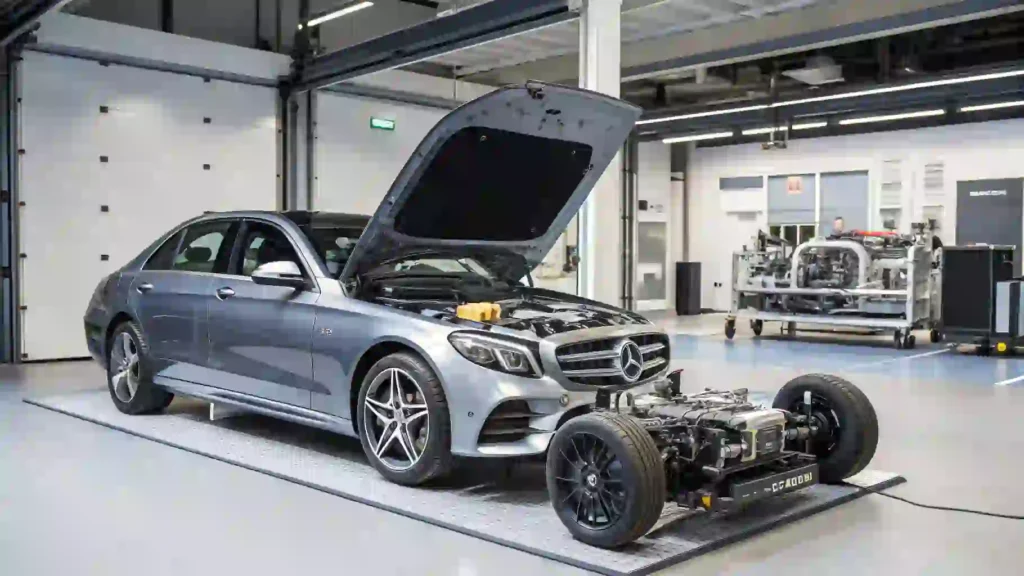
Maintaining a Mercedes hybrid engine is essential for ensuring its longevity and optimal performance. Hybrid models, which combine traditional internal combustion engines with electric powertrains, require specific maintenance practices to cater to the unique aspects of these systems. Regular servicing by certified professionals is crucial, as the intricacies of hybrid technology demand specialized knowledge. It is advisable for owners to follow the manufacturer’s recommended service intervals, which typically include checks on both the electric and gasoline components.
One critical aspect of maintenance for Mercedes hybrid engines is the battery system. The high-voltage battery pack in Mercedes hybrids is designed for longevity, with most manufacturers, including Mercedes, offering warranties that cover battery life for up to eight years or approximately 100,000 miles. However, the longevity of the hybrid battery can be influenced by factors such as driving habits, climate conditions, and charging practices. Adequate care, such as maintaining optimal charge levels and avoiding complete discharges, can help enhance battery lifespan.
In terms of cost, the maintenance of a Mercedes hybrid engine may initially seem higher due to specialized parts and servicing. Nevertheless, many drivers find that the savings on fuel, along with potential tax incentives for hybrid ownership, can offset these expenses in the long run. Regular maintenance can prevent costly repairs and ensures the hybrid engine operates efficiently, thus mitigating potential long-term costs associated with neglect.
Overall, the maintenance of a Mercedes hybrid engine is an investment in its longevity and efficiency. By adhering to a stringent maintenance schedule and seeking professional assistance, owners can enjoy the benefits of hybrid technology for many years, ensuring they maximize their investment in this innovative vehicle segment.
Testimonials and User Experiences
Owning a Mercedes hybrid vehicle has transformed the driving experiences for many enthusiasts and everyday users alike. A key testimony comes from John, a long-time Mercedes owner who recently transitioned to a hybrid model. He expresses his satisfaction with the vehicle’s efficiency, stating that the smooth transition from electric to gasoline power is impressively seamless. This feature has not only reduced his fuel consumption but also minimized his environmental impact. Users like John appreciate the innovative engineering that defines the Mercedes brand, particularly in its hybrid offerings.
Another user, Sarah, shared her experience with a Mercedes hybrid that she uses for her daily commute. She highlighted the vehicle’s quiet operation while in electric mode, which she finds particularly enjoyable during her early morning drives. The advanced technology and luxurious comfort that Mercedes is known for are apparent in her hybrid model. While she faced a minor issue with the infotainment system initially, the dealership promptly resolved it, reinforcing her overall positive experience. Her story emphasizes that even luxury hybrid models can have their quirks but generally offer sophisticated solutions.
Additionally, Mark, who recently purchased a Mercedes hybrid for family travel, noted the spaciousness and comfort of the interior. He remarked on the smooth ride quality and safety features that provide peace of mind during long journeys. He particularly appreciates the hybrid’s capacity to navigate city traffic seamlessly, enhancing his driving experience. While overall user satisfaction seems high, some owners have mentioned concerns regarding long-term battery replacement costs, which is a common consideration among hybrid vehicle owners.
Collectively, these testimonies present a well-rounded perspective on life with Mercedes hybrid vehicles, illustrating both the enjoyment and challenges that come with these advanced machines. The hybrid experience encourages a thoughtful approach to driving and environmental responsibility, aligning well with the values held by many Mercedes enthusiasts.
The Future of Mercedes Hybrid Engines
As the automotive industry increasingly shifts towards sustainability and reducing carbon footprints, Mercedes is positioning itself at the forefront of hybrid technology. The future of Mercedes hybrid engines promises to be exciting, with numerous developments on the horizon aimed at enhancing performance, efficiency, and overall environmental effectiveness.
Planned advancements include the incorporation of next-generation battery technology, which is expected to provide higher energy densities and faster recharging capabilities. These improvements will not only enhance the driving experience but also reduce dependency on conventional fossil fuels. Mercedes is also focusing on integrating artificial intelligence and smart technology into their hybrid systems, allowing for a more optimized driving experience tailored to individual driver habits.
Upcoming models, such as the next iteration of the Mercedes-Benz E-Class and the GLE SUV, are set to feature enhanced hybrid powertrains, utilizing a combination of electric and internal combustion engines. These models will likely include plug-in hybrid variations, allowing for greater flexibility in emissions management and energy consumption. Mercedes aims to ensure that these vehicles meet or exceed forthcoming environmental regulations while providing a seamless transition for customers who wish to embrace hybrid alternatives.
In an era where the full electric vehicle market is rapidly expanding, Mercedes has recognized the importance of maintaining a diverse powertrain portfolio. By advancing their hybrid technology, the company seeks to attract consumers who are not yet ready to commit fully to electric vehicles. This strategy not only caters to consumer demand but also contributes to Mercedes’ goal of achieving carbon neutrality in their entire fleet by 2039.
Thus, the future of Mercedes hybrid engines appears bright, emphasizing innovation while steadily moving towards a more sustainable automotive landscape. With focused efforts on both technology and consumer engagement, Mercedes is committed to leading the way in hybrid and electrified vehicles.