Introduction to Electric Motors
Electric motors are devices that convert electrical energy into mechanical energy through the interaction of magnetic fields. They play a pivotal role in various applications across multiple sectors, including residential, commercial, and industrial environments. Understanding electric motors involves grasping their basic principles of operation, which hinge on electromagnetism, a fundamental force in physics.
At the heart of an electric motor are two key components: the stator and the rotor. The stator is the stationary part of the motor, which houses coils of wire that generate a magnetic field when electricity flows through them. The rotor, on the other hand, is the rotating element that is influenced by the magnetic field produced by the stator. This interaction generates motion, which can be harnessed to drive machinery, fans, pumps, and countless other devices.
The historical significance of electric motors cannot be overstated. The invention of the electric motor dates back to the early 19th century, with pioneers such as Michael Faraday and Thomas Davenport contributing to its development. Since then, electric motors have evolved dramatically, improving in efficiency, reliability, and versatility. The technological advancements have enabled the miniaturization of motors, making them integral to modern electronic devices such as electric cars, household appliances, and industrial equipment.
In contemporary society, electric motors are crucial for various reasons. They reduce environmental impact by providing a cleaner alternative to fossil fuel-powered engines. Additionally, their efficiency and adaptability make them essential in renewable energy applications, such as wind turbines and electric vehicles. Overall, electric motors serve as the backbone of modern technology, facilitating advancements that drive industries and enhance our daily lives.
Types of Electric Motors
Electric motors can be categorized into several types based on their operational principles and power supply requirements. The two primary categories are AC (Alternating Current) motors and DC (Direct Current) motors, each of which has various subtypes and distinct characteristics.
AC motors are widely used in industrial applications and household appliances due to their efficiency and simplicity. They operate using alternating current and can be further classified into synchronous and asynchronous motors. Synchronous motors maintain a constant speed regardless of the load, making them suitable for precise applications like clocks and conveyors. In contrast, asynchronous motors, or induction motors, are more common and operate on principles that allow them to achieve variable speeds, adaptable to many industrial processes.
On the other hand, DC motors are popular in applications requiring adjustable speeds and torques, such as in electric vehicles and robotics. These motors operate on direct current, using electromagnetic principles to create rotational force. Types of DC motors include brushed and brushless configurations. Brushed DC motors feature a commutator and brushes, which provide simpler control but require maintenance due to wear. Brushless DC motors, however, utilize electronics for commutation, offering higher efficiency, longevity, and lower noise levels, making them preferred in modern applications.
Moreover, specialized motor types like stepper and servo motors are essential for applications requiring precise control and positioning. Stepper motors divide rotation into steps, controlling motion without the need for feedback systems, ideal for 3D printing and CNC machinery. Servo motors, usually paired with encoders, can achieve rapid and accurate positioning, widely used in robotics and automation systems.
Understanding these various types of electric motors is crucial for selecting the appropriate motor for specific applications, ensuring optimal performance and efficiency.
Components of Electric Motors
Electric motors are complex devices made up of several essential components, each playing a vital role in the conversion of electrical energy into mechanical energy. The primary components include the stator, rotor, commutator, and winding, which all work in unison to facilitate the motor’s functions.
The stator is the stationary part of the electric motor. Typically composed of coils of wire or permanent magnets, the stator creates a magnetic field when electric current flows through it. This magnetic field is crucial as it interacts with the rotor to produce motion. The design and configuration of the stator can significantly impact a motor’s efficiency and performance.
The rotor, on the other hand, is the rotating component that sits inside the stator. Made of conductive material, it is influenced by the magnetic field generated by the stator. As the magnetic field fluctuates, it induces an electric current in the rotor, which then begins to spin. The rotor’s shape and material can also affect the overall efficiency and torque of the electric motor.
The commutator is found primarily in direct current (DC) motors and serves to reverse the flow of current at the appropriate times, ensuring that the rotor continues to turn in one direction. By switching the electrical connections, the commutator allows for continuous rotation, which is essential for many applications.
Finally, the winding refers to the coils of wire that are wound around the stator and sometimes the rotor. These windings are critical because they determine the motor’s electromagnetic properties. Properly designed and configured windings enhance the efficiency and capability of the electric motor, enabling it to perform at optimal levels.
Understanding these components and their functions is crucial for anyone looking to delve deeper into the design and operation of electric motors, as they highlight the intricate engineering that enables these devices to operate effectively.
How Electric Motors Work
Electric motors are complex machines that convert electrical energy into mechanical energy, enabling a multitude of industrial and residential applications. At the heart of this conversion process is the interaction between magnetic fields and current-carrying conductors, a principle rooted in electromagnetic theory. When an electric current flows through a coil located in a magnetic field, it generates a force that produces motion. This is the fundamental working principle of most electric motors.
To delve deeper, we first consider the concept of torque, which is the rotational equivalent of linear force. In an electric motor, torque is produced when a magnetic field interacts with the armature—a coil of wire that spins within the magnetic field. As the current passes through the armature, the resulting magnetic forces create torque that rotates the motor shaft. The amount of torque generated is crucial, as it dictates the motor’s performance and efficiency in performing work.
Moreover, electric motors are typically powered by alternating current (AC) or direct current (DC). AC motors generally operate using alternating electromagnetic fields, while DC motors rely on direct current flow to create a stable magnetic field. These nuances are essential for understanding the various types of electric motors available in contemporary applications. For instance, in household appliances, small DC motors are common, while larger AC motors are prevalent in industrial settings.
In practical applications, one can observe electric motors in action in devices such as fans, electric vehicles, and household appliances. These real-world examples illustrate their adaptability and range of operation, affirming the significance of understanding how these motors function. The interaction of electricity and magnetism within electric motors not only underlies technological innovation but also exemplifies fundamental principles of physics.
Applications of Electric Motors
Electric motors serve as a fundamental component across a multitude of sectors, contributing significantly to innovation and efficiency in various applications. One of the most prominent sectors is the automotive industry, where electric motors power electric vehicles (EVs). Leading manufacturers are increasingly pivoting towards electric drivetrains, capitalizing on the advantages of electric propulsion, such as reduced emissions and lower operational costs. Models like the Tesla Model S and the Nissan Leaf exemplify how electric motors are reshaping vehicle design and performance.
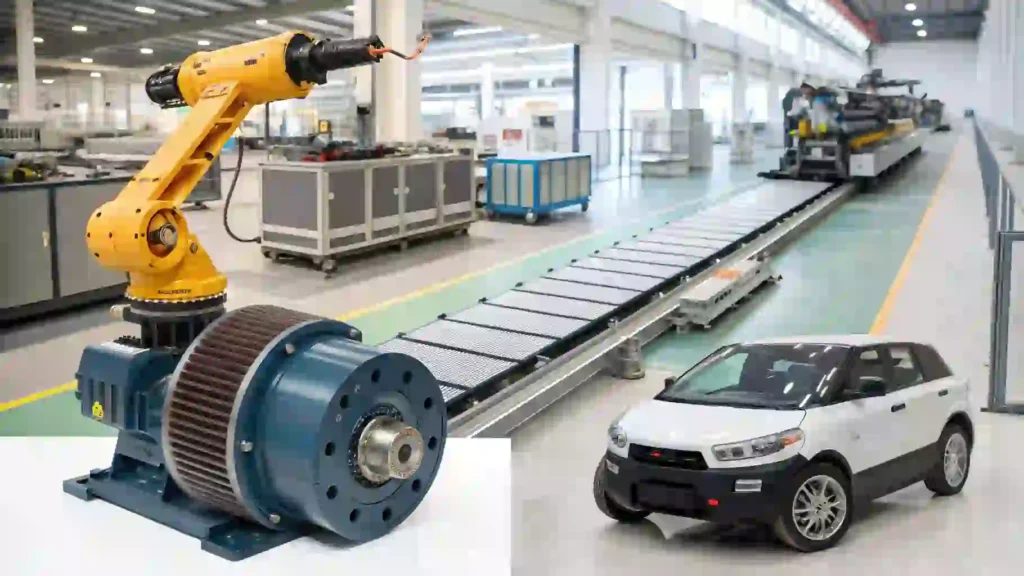
In the realm of robotics, electric motors are essential for enabling precise movements and automated functions. Various robotic applications, from industrial assembly lines to service robots, utilize electric motors for tasks ranging from lifting to dexterous manipulation. Companies like Boston Dynamics showcase robots equipped with advanced electric motor technology that allows for remarkable agility and responsiveness, which is crucial in diverse fields such as manufacturing and healthcare.
Heating, ventilation, and air conditioning (HVAC) systems also rely heavily on electric motors to regulate indoor environments efficiently. These motors power compressors, fans, and pumps essential for maintaining thermal comfort in residential and commercial buildings. The advancement of energy-efficient electric motors in HVAC applications contributes to significant energy savings and reduced environmental impact, aligning with contemporary sustainability goals.
In manufacturing, electric motors drive a wide range of machinery, from conveyor belts to lathes, showcasing their role in enhancing productivity and operational efficiency. Case studies of factories transitioning to electric motor-driven equipment often reveal substantial reductions in operational costs and maintenance requirements, thereby boosting overall competitiveness.
Additionally, consumer electronics, such as household appliances and power tools, depend on electric motors for essential functions. From electric toothbrushes to washing machines, the integration of energy-efficient electric motors ensures convenience and performance, driving user satisfaction. The versatility of electric motors in these diverse applications underscores their invaluable role in modern life.
Efficiency and Performance Factors
The efficiency and performance of electric motors are influenced by a range of factors that must be carefully considered by users and designers alike. One of the primary factors is the load condition under which the motor operates. Electric motors are most efficient when running at or near their rated load. Operating below this level can lead to inefficiencies, while exceeding capacity can result in overheating and possible damage. Hence, understanding the application is crucial for optimizing the motor’s performance.
Environmental factors also play a significant role in the effectiveness of electric motors. Ambient temperature, humidity, and operating altitude can all impact motor efficiency. For instance, high temperatures can lead to increased resistance in electrical components, thereby reducing efficiency. Additionally, moisture and contaminants can lead to internal wear and premature failure. To mitigate these effects, it is essential to select motor housings that offer the appropriate protection for specific environments.
Maintenance practices are equally significant in enhancing motor performance. Regular inspections and upkeep can prevent performance degradation over time. This includes checking for wear on bearings, ensuring that the rotor is free from obstructions, and monitoring electrical connections for corrosion. Implementing a predictive maintenance schedule can help identify potential issues before they escalate, thus sustaining motor efficiency.
Furthermore, the selection of the right motor is crucial. Motor ratings and efficiency classes provide insights into performance capabilities and suitability for particular applications. Utilizing high-efficiency motors aligned with specific operational requirements can lead to substantial energy savings and reduced operational costs over their lifespan. Ultimately, careful assessment of load conditions, environmental factors, and maintenance will equip users to maximize the performance and efficiency of electric motors effectively.
Innovations and Future Trends in Electric Motors
In recent years, the electric motor industry has experienced significant innovations that pave the way for enhanced performance and efficiency. One of the most notable advancements has come from the improvement in materials used for electric motors. Advanced materials such as lightweight composites and high-efficiency magnets are now being employed to reduce weight and increase power output. This not only enhances the overall performance of electric motors but also contributes to their longer lifespan due to improved thermal and electrical conductivity.
Moreover, the design of electric motors is evolving, with a trend towards integrated and modular designs that facilitate easier assembly and maintenance. Innovations, such as axial-flux motors, are gaining traction due to their compactness and efficiency, particularly in automotive applications. These designs allow for greater flexibility and the possibility of customized solutions based on specific application needs.
Control systems are also undergoing a transformation. The advent of advanced control algorithms, including those based on artificial intelligence, enables more precise regulation of electric motor functions, resulting in better efficiency and responsiveness. Such innovations allow electric motors to adapt in real-time to changing operational conditions, leading to improvements in energy consumption and overall performance.
Another critical trend shaping the future of electric motors is the increasing emphasis on sustainability. The drive towards energy-efficient motors is not merely a trend but a necessity, prompted by global environmental concerns. Manufacturers are focusing on producing electric motors that not only consume less energy but also contribute to reduced greenhouse gas emissions. The integration of power electronics for better energy management is becoming standard, allowing electric systems to operate at optimal efficiency.
Overall, as innovations in materials, design, and control systems continue to evolve, the electric motor industry stands on the brink of a breakthrough phase that promises substantial impacts across various sectors, including automotive, manufacturing, and renewable energy. The future looks promising, with electric motors playing a pivotal role in sustainable technology advancements.
Troubleshooting Common Electric Motor Issues
Electric motors are integral to numerous applications, but they can encounter various problems that may hinder their performance. Recognizing common issues is the first step towards effective troubleshooting. One prevalent problem is overheating, which can result from factors such as inadequate ventilation, excessive load, or electrical imbalances. To diagnose overheating, check the motor’s operating environment and ensure that it is not confined in a space with poor air circulation. Additionally, confirming that the motor is not overloaded can help alleviate this issue.
Another common issue is unusual noise during operation, which often indicates mechanical or electrical problems. A grinding or squealing noise could signal worn bearings or misalignment of motor components. Inspecting the motor for signs of damage or wear is essential, and lubricating moving parts may resolve minor noise issues. If the noise persists, further investigation into the motor’s wiring and connections might be necessary to identify loose or faulty components.
Performance drops can also occur in electric motors, often manifesting as reduced speed or power output. Factors contributing to this situation include wear and tear or electrical supply issues. Begin by checking the motor’s power source—ensure the voltage and current are within operational specifications. If the electrical supply appears stable, internal examinations should be conducted, focusing on winding conditions and component integrity. In cases where significant wear is detected, one must consider whether repair options are viable or if a complete replacement of the motor is more practical and cost-effective.
Ultimately, distinguishing between repairable issues and the need for a new motor is crucial for maintaining operational efficiency. Regular maintenance and timely diagnostics can greatly extend the lifespan of electric motors and ensure consistent performance.
Conclusion and Resources for Further Learning
In this guide, we have explored the fundamentals of electric motors, examining their types, mechanisms, applications, and significance in various industries. Electric motors have become integral to modern technology, powering everything from household appliances to large industrial machines. Understanding how these machines operate allows us to appreciate their efficiency, versatility, and eco-friendliness in comparison to their fossil-fuel counterparts.
We have discussed various types of electric motors, including AC and DC motors, and how their unique designs cater to specific applications. The principles of electromagnetism and the importance of torque, speed, and power ratings were highlighted as crucial factors in selecting the right motor for a particular purpose. Additionally, we explored advancements in electric motor technology, such as improved energy efficiency and the role of electric motors in the growing field of sustainable energy.
For readers interested in furthering their knowledge and expertise in electric motors, several resources can deepen your understanding. Notable books include “Electric Motors and Drives” by Gordon Snelling and “Motor Control: Theory and Practice” by Marine C. Haroush. Online platforms such as Coursera, edX, and Udemy offer courses on electric systems and motor technology, providing valuable theoretical and practical insights. Moreover, websites like the Institute of Electrical and Electronics Engineers (IEEE) and the National Electrical Manufacturers Association (NEMA) provide research papers and publications that can enrich your study.
Continuous learning is essential in the field of electric motors, particularly with the rapid developments in technology. Engaging with these resources will enhance your understanding and keep you informed about the latest trends and innovations. Whether you are a beginner or an experienced professional, the journey into the realm of electric motors offers ample opportunities for exploration and mastery.