Introduction to Digital Avatars
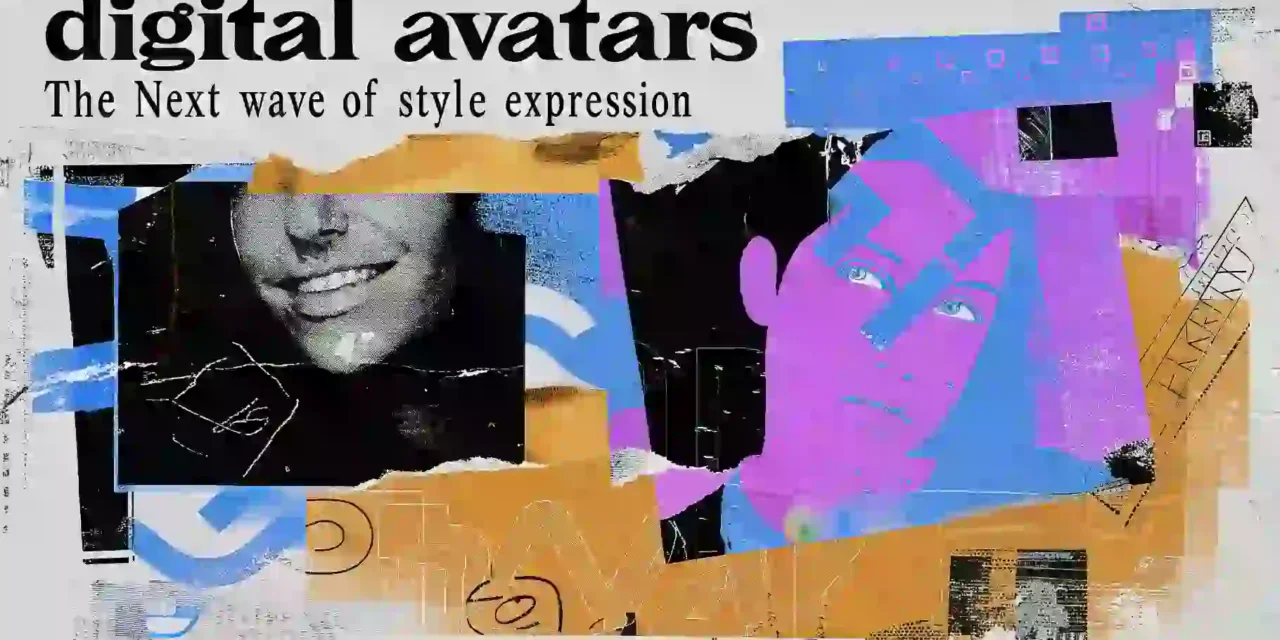
Digital avatars have emerged as a captivating intersection between technology and self-expression in our increasingly digital lives. Essentially, these avatars serve as virtual representations of individuals in various online environments, ranging from social media platforms to virtual reality settings. The evolution of digital avatars has come a long way from basic, cartoonish characters to highly customized and realistic personas that resonate more deeply with their users’ identities and styles.
In the early days of the internet, individuals often utilized simple icons or images that only vaguely resembled their real-life counterparts. However, with advancements in graphic design, artificial intelligence, and virtual reality, we now possess the tools to create avatars that are not only visually appealing but also rich in personality and individuality. This shift allows users to curate their fashion choices—clothing, accessories, and hairstyles—tailoring their digital appearance to reflect their unique tastes and preferences.
The growing significance of digital avatars can be attributed to the broader cultural shift towards online interaction and the increasing emphasis on personal branding. As social media continues to dominate our lives, the need for individuals to project a consistent and authentic image has become paramount. Digital fashion plays a crucial role here, as the avatars we choose to embody act as extensions of our personal and cultural identities. Through these virtual representations, users can explore various facets of their personality and share their fashion choices in ways that resonate with their audience.
As technology continues to enhance the capabilities of digital avatars, the realm of fashion and style expression grows ever more vibrant and diverse. This evolution lays the groundwork for new forms of creativity that invite individuals to engage and interact in novel ways. The future of style expression is not only physical but also vividly digital, capturing the essence of fashion in an age defined by innovation.
The Rise of Virtual Fashion
The emergence of virtual fashion marks a significant transformation within the fashion industry, intertwining digital technology with traditional style expression. As digital avatars gain popularity in virtual spaces, designers and brands are increasingly creating digital clothing and accessories meant specifically for these avatars. This innovative approach has not only opened up new avenues for creativity but also redefined the way consumers interact with fashion.
Digital fashion allows brands to experiment without the constraints of physical production. It enables designers to conceive elaborate and avant-garde pieces that may be impractical or impossible to realize in the physical world. The ability to create limitless quantities of garments virtually means reduced resource costs, lesser environmental impact, and decreased reliance on traditional manufacturing processes. As concerns about sustainability and ethical consumption grow, the rise of virtual fashion provides a compelling solution that aligns with contemporary values.
Furthermore, the relationship between digital fashion and avatars has led to a shift in consumption patterns. Consumers are increasingly willing to invest in digital apparel, driven by the desire to express individuality in immersive online environments. The rise of virtual fashion also fosters engagement within online communities where users can showcase their avatars adorned in unique pieces, thus promoting social interaction through stylistic expression. This new form of consumption is prompting brands to rethink their strategies, focusing more on digital platforms and the burgeoning interest in the metaverse.
The integration of virtual fashion into social media and gaming platforms continues to expand the reach of digital clothing, offering unprecedented opportunities for brand exposure and consumer engagement. As digital avatars become more integrated into everyday life, the fashion industry is evolving alongside them, embracing new forms of creativity and redefining what it means to engage with style.
Cultural Impact of Digital Avatars
The emergence of digital avatars has significantly influenced contemporary culture, particularly within social media, gaming, and virtual environments. These representations allow individuals to express their identities in diverse and multifaceted ways, effectively encapsulating elements of personal style, social status, and cultural affiliations. In a society where visibility and representation are increasingly prioritized, avatars serve as a crucial medium for individuals to curate and showcase their self-identities.
In social media contexts, users craft digital avatars that reflect their personalities, interests, and aesthetics. This customization fosters unique forms of self-expression, often transcending physical appearances. As individuals adopt avatars that resonate with their personal stylistic choices, it becomes evident that these digital manifestations serve not only as visual representations but also as extensions of their real-world identities. By showcasing fashion selections that may deviate from conventional norms, avatars challenge traditional beauty standards and promote greater inclusivity.
Within the realm of gaming, avatars are pivotal in creating immersive experiences. Players often design their virtual characters to embody traits or styles they admire or aspire to. This practice increases engagement with gaming content and reinforces the influence of digital fashion. Avatars become vessels for cultural representation, enabling players to display elements from various genres and backgrounds, thereby fostering a richer tapestry of shared experiences. Furthermore, this democratization of fashion extends beyond gaming; as users share their avatars across platforms, it catalyzes broader discussions around aesthetic practices.
Digital avatars are instrumental in reshaping cultural norms surrounding fashion and identity. By offering unprecedented opportunities for self-exploration and expression, they challenge societal limits on personal style and redefine what it means to represent oneself in both digital and physical spaces. As this trend continues to evolve, the cultural significance of avatars will likely deepen, encouraging ongoing dialogue around representation and democratization in the fashion landscape.
Personalization and Customization
In the evolving landscape of digital fashion, personalization and customization stand out as key components that significantly enhance user experience. Digital avatars not only provide a platform for self-representation but also empower individuals with the tools to curate their virtual identities. This personalization extends to various aspects of the avatar, including clothing, accessories, physical attributes, and even background settings, allowing users to create a distinctive online persona that closely aligns with their real-world identity or aspirations.
Technological innovations have facilitated the development of numerous applications and platforms designed for avatar customization. These tools often utilize sophisticated algorithms and design software that enable users to experiment with a broad spectrum of styles and features. From bespoke outfits that reflect current fashion trends to unique hairstyles and skin tones, the options available ensure that avatars can be tailored to represent individual tastes and preferences meticulously. Many platforms also incorporate augmented reality, enhancing the immersive experience and allowing users to visualize their avatars in different settings before finalizing their designs.
The psychological implications of such extensive customization are profound. The ability to create a digital likeness fosters a deeper sense of identity and belonging in virtual environments. This phenomenon is particularly evident in gaming and social media contexts, where users invest emotionally in their avatars, often reaping benefits related to self-esteem and personal expression. As individuals navigate their digital worlds, they exercise agency over how they present themselves, which can lead to increased confidence and freedom in exploring various facets of their personality. Ultimately, the intersection of technology and personal expression through digital avatars represents a pivotal moment in the evolution of fashion and self-representation in the virtual realm.
Interactivity and Socialization
The emergence of digital avatars has revolutionized the way individuals express their style and engage with one another in online environments. These virtual personas allow users to represent themselves aesthetically, making the experience of social interaction both immersive and personalized. Users can create avatars that reflect their unique fashion preferences, which can be a powerful means of self-expression in digital spaces.
In virtual environments, avatars serve as the primary means of engagement, transforming traditional socialization into an interactive and immersive experience. Whether in gaming communities, social apps, or virtual reality platforms, users navigate these spaces through their digital representations. This engagement creates opportunities for rich social connections, as individuals can meet, collaborate, and participate in activities together, all while sporting distinct looks that resonate with their personal style.
The significance of social platforms cannot be understated; they have become critical avenues for networking through avatars. From online festivals to virtual meet-ups, users are brought together by shared interests and IT platforms that facilitate these interactions. This dimension of socialization allows individuals to forge connections with others based on mutual fashion interests or the aesthetic appeal of their avatars. Through these platforms, communities can thrive as users unite, share ideas, and participate in challenges or events that showcase their avatars’ styles.
Moreover, the ability to customize avatars further reinforces a sense of individuality and belonging. Users can experiment with various styles, clothing, and accessories while interacting with others, encouraging conversations centered around fashion trends and personal decoration choices. Such interactions ultimately contribute to a vibrant culture of shared enthusiasm within virtual environments, making digital avatars an integral part of modern socialization and community building.
Emerging Technologies and Future Trends
The intersection of fashion and technology is evolving rapidly, particularly with the advent of digital avatars. As we look to the future, several emerging technologies promise to shape how we create, interact with, and own these digital representations of ourselves. Artificial intelligence (AI) is at the forefront of this evolution, enabling the development of more sophisticated avatars that can reflect personal style and adapt to individual preferences. Enhanced machine learning algorithms are allowing avatars to learn from user interactions, fostering a more personalized experience in virtual environments.
Alongside AI, augmented reality (AR) is set to revolutionize how individuals engage with fashion. By overlaying digital avatars in real-world settings, AR allows users to visualize clothing selections in a 3D format, providing an interactive shopping experience. This technology not only facilitates better decision-making but also offers opportunities for brands to showcase their products in innovative ways. As AR becomes more accessible, we can expect a surge in fashion events and runway shows occurring within digital environments, further blurring the boundaries between virtual and physical fashion experiences.
Blockchain technology is equally significant in the context of digital avatars, particularly regarding ownership and authenticity. By establishing a secure ledger for digital assets, blockchain facilitates the creation of unique digital garments and accessories that can be bought, sold, or traded securely. This is crucial for combating counterfeiting in the digital fashion market and ensuring that creators receive fair compensation for their work. Furthermore, the concept of decentralized fashion ownership may emerge, allowing individuals to own shares of virtual clothing lines, thus democratizing the fashion industry.
As we look to the next decade, speculative trends suggest that digital avatars will become increasingly integrated into everyday life, potentially serving as social media representatives and fashion influencers. The continued fusion of these technologies will enable endless possibilities in self-expression through fashion, making digital avatars an essential aspect of our online lives.
Challenges and Ethical Considerations
The advent of digital avatars as a mode of fashion expression raises significant challenges and ethical considerations that warrant careful examination. One of the primary concerns is privacy. In a world where digital identity is increasingly intertwined with personal information, the creation and use of avatars can inadvertently expose individuals to privacy breaches. For instance, while some may choose to craft elaborate digital personas, these representations could be manipulated by third parties for malicious purposes, such as identity theft or cyberbullying. Consequently, users must navigate the precarious balance between self-expression and safeguarding personal information.
Another pressing issue revolves around the potential for misuse of avatars. In various online platforms, avatars can be employed to perpetuate harmful stereotypes or to engage in impersonation, misleading others about a person’s true identity. This misuse can foster environments where harassment or discrimination occurs, particularly within marginalized communities. As digital fashion continues to evolve, it becomes essential for developers and users alike to establish ethical guidelines that discourage such harmful behaviors while promoting positive representation.
Furthermore, the impact of digital avatars on real-world identity perception cannot be overstated. As individuals increasingly use these virtual representations to express their style, they may inadvertently blur the lines between their online and offline identities. This phenomenon raises questions about authenticity and societal expectations surrounding fashion. How does the digital portrayal of oneself influence one’s self-image, and does it create unrealistic standards that individuals feel pressured to meet? By contemplating these issues, society may gain a deeper understanding of how digital avatars shape our perceptions of identity and, in turn, inform the broader conversation about fashion and personal representation.
Case Studies: Successful Digital Avatars
Digital avatars have emerged as a revolutionary trend in various industries, particularly in fashion, gaming, and social media. The rise of these virtual entities highlights how technology can reshape our understanding of identity and style expression. One of the most notable examples is Lil Miquela, a virtual influencer who successfully bridges the gap between the digital and real worlds. Created by the company Brud, Lil Miquela has garnered millions of followers on social media platforms, effectively promoting fashion brands and lifestyle products. Her presence has not only transformed marketing strategies but also initiated conversations surrounding authenticity and representation in the digital realm.
In the gaming industry, characters like “Ava” from the popular game “Fortnite” emphasize how virtual avatars can influence fashion trends among players. Ava’s unique styling and customizable outfits encourage players to express themselves creatively. Many fashion brands have embraced this trend using collaborations with games to create exclusive in-game items. This not only gives players a chance to engage actively with the game’s aesthetics but also allows brands to reach a younger demographic deeply immersed in digital culture.
The impact of digital avatars extends to high-profile fashion events where virtual influencers walk the runway, showcasing the latest trends in a digital format. Designers like Balenciaga and Gucci have leveraged digital models for their campaigns, creating immersive experiences where consumers can interact with their collections in innovative ways. This approach demystifies fashion by making it more accessible and relatable to a broader audience, effectively changing how consumers perceive and engage with modern fashion.
Overall, these case studies illustrate the significant potential of digital avatars in redefining traditional notions of fashion and style expression. By contracting innovative characters to represent brands or creating interactive gaming experiences, industries not only adapt to new consumer behaviors but also contribute to the evolution of fashion itself.
Conclusion: Embracing the Avatar Revolution
As we have explored throughout this blog post, the emergence of digital avatars marks a significant evolution in the realm of style expression. Just as fashion has historically served as a medium for individuals to convey their identity, aspirations, and values, digital avatars now offer an innovative platform for similar expression in virtual environments. The virtual representations empower users to curate their own digital personas, enabling them to navigate social interactions in a manner that aligns with their personal styles and preferences.
Moreover, the integration of fashion elements into digital avatars allows for exciting creative opportunities. Individuals can select outfits and accessories that reflect both current trends and personal flair, challenging the boundaries of traditional fashion. This customizability not only enhances the user’s online presence but also broadens the definition of what it means to engage with and appreciate fashion in a digital space. The potential for avatars to serve as a canvas for personal creativity and style is vast, paving the way for more inclusive and diverse representations of identity.
Looking ahead, it is evident that digital avatars will play an instrumental role in reshaping our interactions across various online platforms. As technology continues to advance, we can anticipate even greater levels of sophistication and realism in avatar design, further bridging the gap between virtual experiences and real-world fashion. This convergence presents an invaluable opportunity for individuals to express themselves in ways that transcend geographical and cultural boundaries.
To fully embrace the avatar revolution, we encourage readers to explore the creative possibilities that digital avatars offer. Engaging with this new form of expression not only cultivates a deeper understanding of fashion and identity in the digital age but also fosters a welcoming environment for self-exploration and innovation. In conclusion, the avatar phenomenon symbolizes a transformative era in style expression, inviting everyone to participate and redefine their own narrative in the ever-evolving landscape of digital interaction.