
Introduction to Hydrogen-Powered Supercars
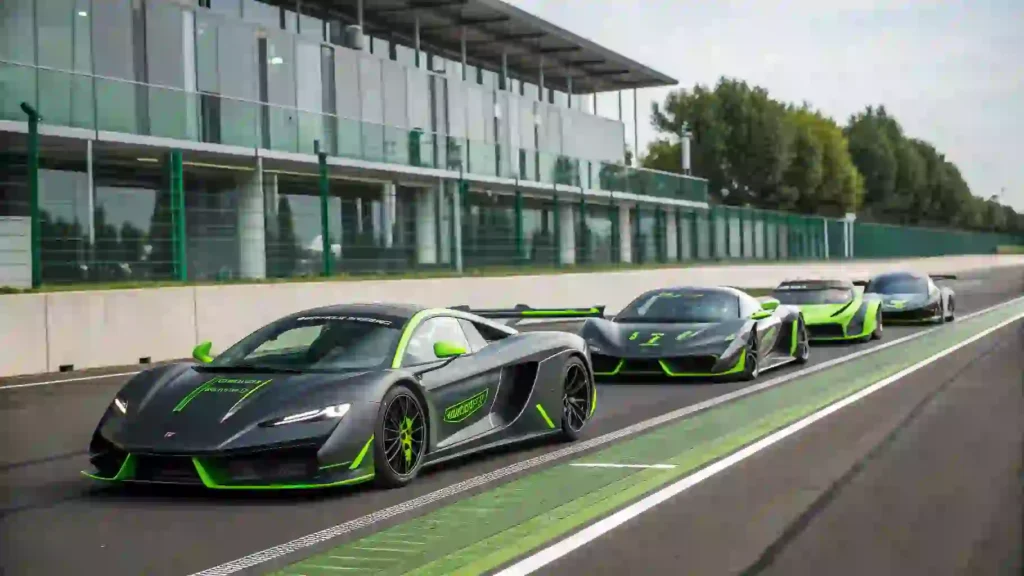
The automotive industry is undergoing a significant transformation, with a heightened focus on sustainability and performance. Among the latest developments are hydrogen-powered supercars, which promise to redefine the boundaries of eco-friendly high-performance vehicles. These innovative machines utilize hydrogen fuel cells as a clean energy source, producing only water vapor as a byproduct. This technology aligns perfectly with the industry’s efforts to reduce carbon emissions and transition towards greener alternatives.
The growing trend towards hydrogen-powered supercars highlights a crucial shift in consumer preferences and the automotive market as a whole. As awareness of environmental issues increases, car manufacturers are under pressure to create vehicles that are not only fast and powerful but also environmentally responsible. This demand for sustainable performance is pushing the boundaries of automotive engineering, giving rise to vehicles that combine both thrilling speed and eco-friendly technology.
Hydrogen, as a fuel source, offers distinct advantages over traditional fossil fuels or even battery electric vehicles. It boasts a high energy density, which means that hydrogen-powered supercars can achieve impressive ranges without the lengthy recharge times commonly associated with electric vehicles. Moreover, with advancements in hydrogen production, storage, and distribution methods, the potential for widespread adoption of hydrogen technology in the automotive sector is becoming increasingly viable.
In essence, hydrogen-powered supercars represent not just a technological innovation, but also a symbol of the automotive industry’s commitment to a sustainable future. As manufacturers continue to develop these cutting-edge vehicles, the landscape of high-performance cars is poised to change dramatically, making it imperative to understand the significance of this green speed revolution.
How Hydrogen Fuel Cells Work
The functioning of hydrogen fuel cells is based on fundamental electrochemical principles that convert the chemical energy of hydrogen into electrical energy. This process involves several core components: the anode, cathode, and electrolyte. At the heart of the fuel cell’s technology lies the anode, which serves as the source of hydrogen fuel. Here, hydrogen molecules are split into protons and electrons through an electrochemical reaction facilitated by a catalyst.
The electrons, having been separated from their associated protons, travel through an external circuit, generating electricity. This electricity powers electric motors within hydrogen-powered vehicles, offering a clean and efficient alternative to traditional automotive solutions that rely on fossil fuels. The protons, meanwhile, pass through the electrolyte to the cathode side of the fuel cell.
The electrolyte is designed to permit only the passage of protons, preventing the electrons from taking the same path. This selective permeability is critical as it ensures that the flow of electrons is directed through the external circuit, thereby creating usable electricity rather than merely completing a circuit within the fuel cell.
As the protons reach the cathode, they reunite with the electrons, recombining in a reaction with oxygen (from the air). This final reaction produces water and heat as byproducts, which are emitted from the vehicle. Unlike internal combustion engines that emit greenhouse gases, hydrogen fuel cells offer a zero-emissions solution, creating water vapor as the sole byproduct. Thus, the distinctive components and processes involved in hydrogen fuel cells underscore their innovative potential within the evolving automotive landscape, paving the way for sustainable and environmentally friendly driving experiences.
The Advantages of Hydrogen Supercars
Hydrogen-powered supercars represent a significant advancement in the automotive industry, offering a slew of advantages that set them apart from both traditional combustion engines and battery electric vehicles. One of the most compelling benefits of these vehicles is their zero-emission potential. Unlike gasoline engines, hydrogen supercars emit only water vapor as a byproduct of their operation. This characteristic positions them as a sustainable alternative for speed enthusiasts who are increasingly concerned about environmental impact.
Another notable advantage is the quick refueling times associated with hydrogen technology. Compared to battery electric vehicles that can take hours to recharge, hydrogen supercars can be refueled in a matter of minutes. This rapid refueling capability aligns well with the lifestyle of supercar owners, who often prioritize convenience alongside performance. It mitigates one of the primary drawbacks of electric vehicles, which is the long downtime required for charging.
In addition to their environmental benefits and convenience, hydrogen supercars also offer longer driving ranges than their battery electric counterparts. While electric vehicles are often limited by their battery capacity, hydrogen can be stored efficiently and offers a more substantial range between refuelings. This capability allows drivers to enjoy extended trips without the anxiety of needing multiple charging stops.
Moreover, when discussing performance, hydrogen supercars do not fall short. They can deliver impressive speeds and power outputs, comparable to traditional supercars. The integration of hydrogen fuel cells allows for rapid acceleration and high horsepower levels, ensuring that passion for speed is not sacrificed in the pursuit of sustainability. As automotive technology continues to advance, hydrogen-powered supercars are proving that they can meet and exceed the performance benchmarks set by their gasoline-powered peers, ushering in a new era of eco-friendly automotive engineering.
Current Developments in the Hydrogen Supercar Market
The hydrogen supercar market is rapidly evolving, with several notable manufacturers investing significantly in this revolutionary technology. Companies like Toyota and Honda have been at the forefront, aiming to integrate hydrogen fuel cells into their automotive lineups. These giants have been exploring the performance benefits of hydrogen-powered vehicles, focusing not only on sustainability but also on the potential for high-speed performance.
Recent developments have seen prototypes of hydrogen supercars making headlines at major automotive expos. For instance, the development of the Toyota GR Super Sport is one example of a prototype that showcases the integration of hydrogen fuel technology into high-performance vehicles. Such prototypes demonstrate remarkable acceleration and efficiency, aligning closely with consumer expectations for performance while reducing environmental impact.
In addition to vehicle development, partnerships between automotive manufacturers and research institutions are becoming increasingly common. Collaboration with universities and research organizations is crucial for advancing hydrogen technology, helping to address challenges related to fuel cell efficiency and infrastructure. For example, companies are working to improve hydrogen production methods and develop better storage solutions, which are essential for the widespread adoption of hydrogen in the automotive sector.
Statistically, the hydrogen market is anticipated to grow exponentially in the coming years. According to recent projections, the global hydrogen fuel cell market could reach over $50 billion by the year 2030, with a substantial portion of that growth attributed to advancements in high-performance vehicles. This aligns with growing enthusiasm and investment in the hydrogen automotive sector, as manufacturers pivot towards more sustainable solutions that also meet the high standards of performance expected by supercar enthusiasts.
Challenges Facing Hydrogen-Powered Vehicles
As the automotive industry shifts toward sustainable solutions, hydrogen-powered supercars present an innovative option for reducing carbon footprints. However, several challenges impede the widespread adoption of these vehicles. One of the most significant difficulties lies in the production of hydrogen fuel itself. While hydrogen is the most abundant element in the universe, generating it in a usable form often relies on fossil fuels, counteracting its green reputation. Current methods, such as steam methane reforming, produce substantial greenhouse gas emissions, while electrolysis, which can be powered by renewable energy, remains economically unfeasible at a large scale due to high energy requirements.
Another challenge is related to the storage and transportation of hydrogen. Hydrogen has a low energy density by volume, necessitating high-pressure tanks or cryogenic conditions to store it efficiently. These solutions introduce complexity in engineering and safety regulations, making it challenging for automotive manufacturers to develop safe and practical storage solutions that comply with existing standards.
The infrastructure for refueling hydrogen vehicles is still in its infancy. Currently, there are significantly fewer hydrogen refueling stations compared to conventional fuel stations or electric vehicle chargers. This scarcity discourages potential consumers from investing in hydrogen-powered vehicles, as they may be concerned about the practicality of refueling options available to them. Furthermore, public perception and regulatory hurdles play a critical role in the hydrogen vehicle landscape. Many consumers remain skeptical about hydrogen technologies, potentially due to misconceptions about safety and the viability of hydrogen as a fuel source. Additionally, varying regulations across regions can complicate the development and distribution of hydrogen-powered automotive solutions.
Comparative Analysis: Hydrogen vs. Electric Supercars
The automotive industry is witnessing a transformative shift toward sustainable technologies, with hydrogen-powered supercars and battery electric vehicles (BEVs) emerging as key players in eco-friendly racing. Each technology brings distinct advantages and disadvantages that influence their adoption and performance in the competitive realm of supercars.
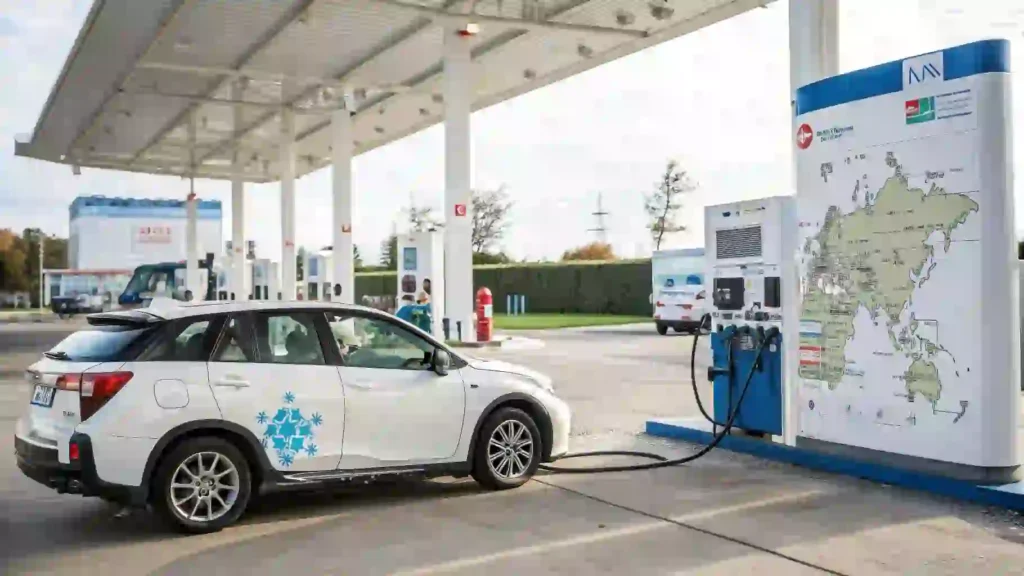
Hydrogen-powered supercars utilize fuel cells to convert hydrogen into electricity, which powers electric motors. This process generates water as the only emission, positioning hydrogen as a remarkably clean option. One of the most notable advantages of hydrogen cars lies in their potential for rapid refueling, typically taking under five minutes, compared to the longer charging times of BEVs. Moreover, hydrogen fuel cells can offer an impressive range, making long-distance travel more feasible without the charging constraints faced by electric vehicles.
On the other hand, battery electric vehicles (BEVs) are known for their inherent efficiency and high torque output. They benefit from a well-developed global network of charging infrastructure, an essential aspect for consumers and racers alike. Furthermore, advancements in battery technology are leading to increasing energy densities and reduced charging times, enhancing the appeal of electric supercars. However, the charging time and the limited range often present challenges for performance racing compared to their hydrogen counterparts.
From an environmental viewpoint, hydrogen production can be carbon-intensive if derived from fossil fuels, while renewable sources can offset this impact. BEVs, although clean at the point of use, can contribute to environmental degradation through battery production and disposal. Both technologies must contend with the varying sources of energy that underlie their production processes, shaping their true green credentials.
In conclusion, the future of green racing may not favor one technology outright but instead will see a complementary relationship between hydrogen and battery electric supercars. As the automotive landscape evolves, both innovations are likely to coexist and enhance racing performance while addressing environmental concerns.
Future Outlook for Hydrogen Supercars
The future of hydrogen-powered supercars is promising, with numerous advancements in fuel cell technology on the horizon. Manufacturers are increasingly investing in research and development to enhance the efficiency and performance of these vehicles. As fuel cell systems improve, we can anticipate significant reductions in weight and size, ultimately leading to better power-to-weight ratios in high-performance applications. This will result in supercars that are not only faster but also more environmentally friendly.
Moreover, collaborations between automotive manufacturers and technology companies are expected to increase, facilitating rapid advancements in hydrogen fuel technology. These partnerships will pave the way for innovative solutions to make hydrogen supercars not just viable but also competitive against traditional combustion engines and electric vehicles. As more brands enter the hydrogen market, the competition will likely spur further innovation, enhancing the performance metrics that consumers seek in supercars.
The role of hydrogen vehicles in the global automotive landscape will also be influenced by changing regulations. Governments are introducing stricter emissions standards and providing incentives for clean energy technologies. This regulatory shift is likely to act as a catalyst for the adoption of hydrogen-powered vehicles, compelling manufacturers to bring hydrogen supercars to market sooner rather than later. Consumer demand for sustainable options is growing, and the automotive industry is responding by prioritizing environmentally friendly alternatives.
Ultimately, as the automotive market evolves, hydrogen supercars represent a thrilling intersection of performance and sustainability. The convergence of scientific advancement, collaborative innovation, and shifting consumer preferences suggests a bright future for hydrogen-powered supercars, setting the stage for a revolutionary transformation in high-performance automotive design.
Notable Hydrogen Supercar Models to Watch
In the ever-evolving realm of automotive innovation, hydrogen-powered supercars are emerging as a compelling solution to the quest for sustainability without sacrificing performance. Among the notable models in development, the BMW i Hydrogen NEXT stands out. This vehicle combines the luxury and performance attributes synonymous with the BMW brand while integrating a hydrogen fuel cell technology that offers an estimated range exceeding 300 miles. With a sleek design and a 0 to 60 mph acceleration in just under six seconds, it positions itself as a strong contender in the supercar market.
Another exciting entrant is the Toyota GR Super Sport, which has garnered attention for its high-performance capabilities and sporty aesthetic. With a hydrogen combustion engine, it’s set to deliver thrilling driving dynamics while marking a significant shift in traditional automotive paradigms. This model encapsulates the intrigue surrounding the possible transition from purely electric vehicles to hybrid hydrogen solutions, offering a unique alternative for sporty driving enthusiasts.
Moreover, the Pininfarina Battista, while primarily an electric supercar, has also announced plans to explore hydrogen variations. This model exemplifies the fusion of luxury and cutting-edge technology, as it aims to surpass traditional measures of power and efficiency in the automotive landscape. With expectations for rapid acceleration rates and environmentally friendly credentials, the Battista could challenge preconceptions about supercar performance.
Furthermore, Hyundai and Rimac have embarked on ambitious projects to pioneer hydrogen supercars that focus on performance as well as zero emissions. These collaborations underscore the automotive industry’s shift toward incorporating hydrogen technology into high-performance applications, showcasing not just innovation but a commitment to environmental responsibility.
As these emerging hydrogen supercars proceed towards commercial production, their unique features suggest a promising future. They not only represent advancements in automotive engineering but also reflect the industry’s adaptive strategies in response to environmental concerns.
Conclusion: The Road Ahead for Hydrogen Supercars
As we draw to a close on the discussion of hydrogen-powered supercars, it is essential to reflect on the transformative potential these vehicles hold in the automotive industry. The evolution of supercars has typically revolved around power, performance, and speed, yet there is an emerging shift towards sustainability and eco-friendliness. Hydrogen supercars are at the forefront of this change, promising not only to deliver exhilarating performance but also to do so while significantly reducing carbon footprints.
The innovations in hydrogen fuel cell technology have opened up new avenues for automotive engineers to explore. Compared to traditional powertrains, hydrogen-powered systems offer the advantage of faster refueling times and an extended range, making them more practical for everyday use without compromising the thrill seeking associated with supercars. The unique benefits of hydrogen fuel cells exemplify how advancements in technology can align with environmental goals to foster a new generation of high-performance vehicles.
However, the journey towards widespread adoption of hydrogen supercars is fraught with challenges. Infrastructure development remains a critical barrier; establishing refueling stations and ensuring adequate supply chains for hydrogen production is imperative for the technology to flourish. Moreover, continued investment and collaboration between manufacturers, governments, and researchers will be essential in addressing these issues. The automotive sector must actively engage in innovative practices to push the limits of what is possible in hydrogen technology.
In conclusion, hydrogen-powered supercars represent a revolutionary step forward, merging high-performance automotive engineering with pressing sustainability imperatives. The road ahead requires a concerted effort to overcome prevailing hurdles, but the potential rewards—a cleaner, faster, and more responsible automotive future—make the endeavor worthwhile. As stakeholders work together to refine and expand this technology, we may soon witness a new era of supercars that prioritizes both performance and environmental stewardship.