Introduction to Longevity Athletes
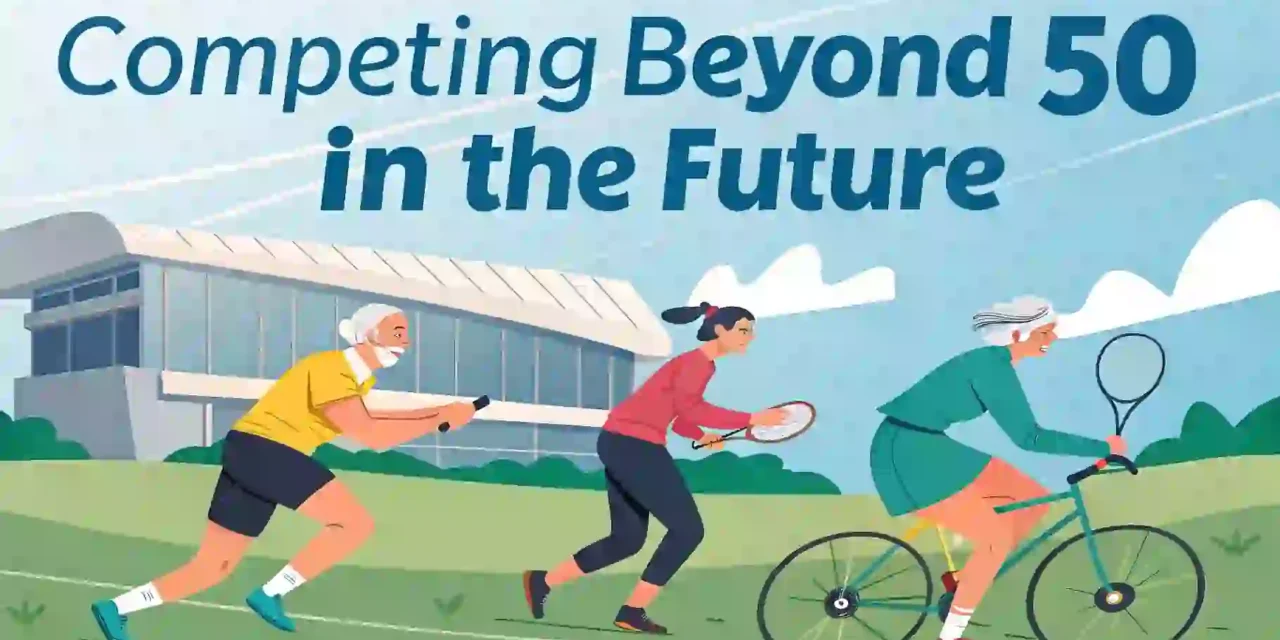
The term “longevity athletes” refers to individuals over the age of 50 who actively participate in competitive sports, defying traditional perceptions associated with aging. This demographic represents a growing trend where older adults are not only engaging in physical activities but are also setting ambitious athletic goals for themselves. As life expectancy increases, so does the desire among seniors to maintain an active lifestyle, which includes participation in various sports.
In recent years, societal views on aging have undergone a considerable transformation. Where once growing older was often associated with decline, there is now a clear recognition of the importance of physical fitness for enhancing overall well-being and quality of life in later years. An increasing number of studies highlight the benefits of regular exercise, which include improved cardiovascular health, greater strength, and increased flexibility, all contributing to a more fulfilling life post-50. This cultural shift encourages individuals in this age group to embrace sports, thereby fostering a vibrant community of longevity athletes.
The emergence of various sports specifically catering to older adults also plays a critical role in this phenomenon. Activities such as masters track and field, senior tennis competitions, and age-group triathlons are gaining popularity, providing platforms for seasoned athletes to showcase their skills. Additionally, organizations and events are adapting to accommodate the needs of these participants, ensuring that sports remain inclusive and accessible for older individuals. In light of this, the commitment of longevity athletes emphasizes that age should not be seen as a barrier to physical achievement but rather an opportunity for continued growth and resilience through engagement in competitive athletics.
The Science of Aging and Athletic Performance
The relationship between aging and athletic performance has been a subject of extensive scientific research, revealing important physiological changes that occur as individuals surpass the age of 50. As the body ages, various factors, such as muscle mass, bone density, cardiovascular health, and recovery times, are impacted, which influences the overall ability to participate in sports and athletic endeavors.
One of the most significant changes is the gradual decline in muscle mass, known as sarcopenia. This reduction can lead to decreased strength and endurance, affecting performance in various sports. Research suggests that the loss of muscle mass begins around the age of 30, accelerating with age, and can be mitigated through regular strength training. Engaging in resistance exercises helps to maintain muscle mass and functionality, enabling older athletes to continue competing in their chosen sports.
Bone density is another critical factor in aging athletes. As individuals grow older, the risk of osteoporosis increases, which can lead to fractures and other injuries commonly associated with athletic activities. Weight-bearing exercises are essential in preserving bone density, making it vital for older sports enthusiasts to include these in their training regimes. Moreover, proper nutrition, particularly adequate calcium and vitamin D intake, plays a significant role in maintaining bone health.
Cardiovascular health tends to decline with age as well, which affects endurance and the body’s ability to recover after physical exertion. Staying active through sports can significantly enhance cardiovascular fitness. Scientific studies highlight the importance of aerobic exercises that elevate heart rate and improve overall cardiovascular health. Older athletes should, therefore, prioritize activities such as running, cycling, or swimming.
Recovery times also tend to increase with age. Older athletes may find it necessary to allow more time for recovery between training sessions to prevent injuries and enhance performance. Integrating strategies such as proper hydration, balanced nutrition, and adequate rest are essential to facilitate recovery. Understanding these physiological changes can empower athletes to adapt their training and nutritional strategies, thereby improving athletic performance and prolonging participation in sports.
Historical Context: Athletic Achievement Over the Ages
The concept of athletic prowess traditionally conjures images of youth, vigor, and peak performance. However, history provides a rich tapestry of athletes who have transcended age-related boundaries to achieve remarkable feats well into their later years. These individuals serve not only as sports icons but also as inspirational figures demonstrating that age is not necessarily a limiting factor in sports.
Among the most notable athletes is Fauja Singh, a British marathon runner who completed his first marathon at the age of 89. His incredible journey shattered perceptions of aging in sports, inspiring countless others to pursue physical excellence regardless of their age. Similarly, golfer Gary Player, who has maintained a robust athletic lifestyle into his 80s, continues to participate in competitive events, showcasing the possibility of sustained success in sports through disciplined training and a healthy lifestyle.
In 1992, the Formidable Age Group in the Ironman World Championship included participants over 50, illustrating the increasing visibility of older competitors in endurance sports. Additionally, track and field has seen its share of remarkable elder athletes, such as sprinter John Godina, who broke records in the shot put and discus well into his 50s. Such achievements highlight the transformative power of dedication and resilience in the realm of sports.
The cultural shift toward valuing longevity in athletics is a growing narrative that challenges traditional notions of age. As society evolves, so does the understanding of physical capabilities. Athletes setting records and claiming titles later in life not only redefine the parameters of sports but also encourage a more inclusive perspective on aging. This trend showcases the potential for human achievement to extend far beyond the commonly accepted limits, laying the groundwork for future generations to embrace the spirit of competition and physical health regardless of age.
Current Trends in Senior Competitive Sports
In recent years, the landscape of senior competitive sports has undergone significant transformations, reflecting a growing recognition of the capabilities and contributions of older athletes. One notable trend is the rise of championships and competitions specifically targeting individuals over 50. Organizations and federations are increasingly dedicating events to this demographic, enabling older athletes to showcase their skills in a supportive environment. These competitions not only foster a sense of community but also promote healthy competition among peers who understand the unique challenges faced by athletes in this age group.
Moreover, fitness programs and events tailored for seniors are becoming more prevalent. Gyms and wellness centers are now offering specialized training regimens that cater to the physical needs and abilities of older participants. Activities such as low-impact aerobics, yoga, and strength training are gaining popularity, encouraging more seniors to engage in regular physical activity. These initiatives not only help in enhancing the overall health of participants but also pave the way for them to consider joining competitive sports, thereby cultivating a new generation of longevity athletes.
Another key element influencing the current trends in senior sports is the role of technology and social media. Wearable fitness trackers and health monitoring devices provide older athletes with valuable data to optimize their performance and track progress. Furthermore, social media platforms serve as essential tools for connecting like-minded individuals, sharing success stories, and promoting upcoming events. By leveraging these technologies, senior athletes can engage with a broader audience, provide encouragement to others, and enhance their participation in the competitive sports arena.
As the awareness and appreciation for senior competitive sports continue to grow, it is evident that these trends are setting the stage for a vibrant future in athletics for those over 50, ultimately enriching the sports community as a whole.
Training Regimens for Success Beyond 50
As individuals surpass the age of 50, their training regimens must evolve to ensure continued success in competitive sports. It is vital to incorporate specific strategies that leverage an athlete’s strengths while addressing unique physiological changes that accompany aging. A well-rounded training program should integrate strength training, flexibility exercises, endurance activities, and ample recovery time.
Strength training plays a crucial role in maintaining muscle mass and bone density. Older athletes can benefit significantly from resistance training, which should include both free weights and body-weight exercises. Coaches recommend focusing on compound movements, such as squats and deadlifts, which engage multiple muscle groups. Additionally, training frequency can be adjusted based on individual recovery rates, ensuring that athletes do not overextend themselves while still promoting gradual strength development.
Flexibility exercises are equally important as they enhance the range of motion and reduce injury risk. Incorporating dynamic stretching before workouts and static stretching afterward can facilitate optimal performance. Activities such as yoga or Pilates can also contribute to flexibility and balance, important components for older competitors.
Endurance training is another essential aspect of training for athletes over 50. This can include low-impact cardiovascular workouts, such as swimming or cycling, which minimize stress on joints while promoting cardiovascular health. The intensity of endurance sessions should be monitored to maintain a safe level of exertion, often achieved through methods like interval training.
Recovery techniques cannot be overlooked in training regimens for longevity athletes. Proper rest, nutrition, and hydration are critical components of an effective program. Scheduling regular rest days and incorporating active recovery sessions can aid in the body’s recuperation process, enabling athletes to return to training refreshed and ready to perform.
In conclusion, a comprehensive training approach tailored for athletes aged 50 and over helps ensure that they can continue to excel in their respective sports. By emphasizing strength, flexibility, endurance, and recovery, these individuals can maintain their competitive edge while enjoying the numerous benefits of physical activity well into their later years.
Nutrition and Longevity in Sports
Nutrition is a cornerstone of athletic performance and plays a particularly critical role in facilitating longevity among athletes over the age of 50. As individuals age, their metabolic rates and nutritional needs shift, necessitating specific dietary considerations to support both health and performance. A well-rounded diet rich in essential nutrients can enhance muscle repair, boost energy levels, and maintain optimal cognitive function, which are essential for participation in sports.
For older athletes, it is advisable to prioritize a diet that is high in protein to combat muscle loss due to aging. Lean meats, fish, dairy, legumes, and nuts can contribute to muscle maintenance and growth. Additionally, incorporating a variety of fruits and vegetables ensures that the body receives necessary vitamins, minerals, and antioxidants that can mitigate inflammation and facilitate recovery after intense physical exertion.
Supplementation may also play a significant role in supporting the nutritional needs of older sports enthusiasts. Certain supplements, such as omega-3 fatty acids, vitamin D, and calcium, can help address specific deficits that may arise due to changing dietary habits or increased physical demands. However, it is essential to consult with a healthcare provider before adding supplements to one’s regimen to avoid potential interactions or unintended effects.
Hydration strategies can further enhance performance and recovery for those engaged in sports. As individuals age, the sensation of thirst may diminish, increasing the risk of dehydration. Therefore, it is crucial to encourage consistent fluid intake throughout the day, particularly before, during, and after physical activities. Drinking water, alongside electrolyte-replenishing beverages, can support cardiovascular health and aid in muscle recovery.
In conclusion, proper nutrition significantly influences the performance and longevity of athletes over 50. By focusing on a balanced diet rich in nutrients, appropriate supplementation, and effective hydration strategies, older individuals can continue to engage in sports successfully while promoting their overall health and well-being.
Mental Resilience and Competitive Spirit
As athletes age, the challenges they face in their physical pursuits evolve, but one aspect that remains crucial is the psychological domain. Mental resilience becomes essential for older athletes as they navigate both the physical and competitive landscape of sports. The ability to maintain focus, motivation, and a positive attitude significantly influences performance, making mental fortitude a necessary companion for those competing beyond the age of 50.
A key component of achieving mental resilience is understanding the importance of motivation. Older athletes may encounter a variety of psychological barriers, including fear of injury or feelings of inadequacy compared to younger competitors. It is vital for these individuals to establish personal goals that transcend age-related limitations. Engaging in activities that foster a sense of purpose and achievement can help cultivate a strong competitive spirit. These goals could range from mastering a new skill to participating in community sports events, which can reinvigorate their love for athletics.
Mental coaches and psychologists often recommend strategies such as visualization, positive self-talk, and mindfulness as tools for enhancing mental resilience. Visualization techniques help athletes mentally rehearse competitions and visualize success, creating a powerful mindset that can influence outcomes. Positive self-talk fosters a can-do attitude, countering any negative thoughts that may arise, particularly during challenging situations. Furthermore, practicing mindfulness allows athletes to remain present, reducing anxiety and improving focus during competitions.
Incorporating these practices into daily training routines not only sharpens the competitive spirit but also reinforces an athlete’s mental toughness, enabling them to face challenges with greater confidence and determination. As they continue to participate in sports, older athletes can inspire others by demonstrating that with the right mindset, age is merely a number and not a barrier to athletic achievement.
Community and Support Networks for Longevity Athletes
The pursuit of athletic excellence does not cease with age; rather, many individuals find that their passion for sports intensifies after the age of 50. However, the journey of a longevity athlete can be significantly enriched through the power of community and social support networks. Building connections with like-minded individuals who understand the unique challenges and rewards of participating in competitive activities is essential. These bonds create an environment of encouragement, learning, and shared experiences that can propel older athletes toward their goals.
One effective way to find and cultivate these networks is by joining local clubs or organizations specifically geared towards older sports enthusiasts. Such establishments often host events, workshops, or training sessions tailored to athletes over 50, fostering camaraderie and a sense of belonging. Moreover, these clubs facilitate avenues for older competitors to share their insights and struggles, ultimately creating a supportive atmosphere that can inspire continued participation in athletic endeavors.
Peer support is paramount in overcoming obstacles commonly faced by longevity athletes, including physical limitations or age-related misconceptions. Engaging with a community of individuals facing similar challenges not only offers practical advice but also provides emotional upliftment. This social web can motivate participants to persevere, set realistic goals, and push their limits, reinforcing the idea that age should not limit one’s engagement in sports.
Additionally, online forums and social media platforms have emerged as valuable resources for older athletes. These virtual spaces allow them to connect with others globally, exchange experiences, participate in discussions, and seek guidance. Ultimately, embracing community and support networks enhances the overall experience of being an athlete, allowing individuals to thrive in their passion for sports, regardless of age.
The Future of Competitive Sports for Older Athletes
As society continues to evolve, so too does the landscape of competitive sports, particularly for older athletes over the age of 50. This demographic shift is being driven by advancements in various fields, including training methodologies, healthcare innovations, and emerging technologies that support athletic performance. The potential future for longevity athletes looks promising, with numerous factors likely to contribute to their sustained participation and success in competitive sports.
One significant area of development is in training techniques tailored to older individuals. With a better understanding of exercise physiology and the aging process, personal trainers and coaches are increasingly focused on creating specialized programs that enhance strength, flexibility, and endurance while minimizing the risk of injury. These tailored regimens allow athletes over 50 to not only compete but thrive in their respective sports, defying traditional age-related barriers.
In tandem with improved training practices, advancements in healthcare are reshaping athletic performance for older participants. Enhanced medical interventions and preventative care can help mitigate age-related ailments and accelerate recovery from injuries. This shift in healthcare not only extends the athletes’ competitive lifespan but also fosters a culture of safety and wellness within the sports community. A focus on preventive measures, such as regular health screenings tailored for older athletes, is essential for promoting longevity in competitive sports.
Technological innovations also play a crucial role in shaping the future of sports for those aged over 50. Wearable fitness trackers and performance-monitors enable athletes to gain insights into their physical metrics, allowing them to optimize training schedules and recovery times. Furthermore, advancements in sporting equipment specifically designed for older athletes can enhance performance while addressing their unique physiological needs.
Finally, societal attitudes towards aging are shifting as the narrative around older athletes becomes more positive. The growing acceptance of longevity athletes is leading to the proliferation of age-inclusive competitions and events, instilling a sense of community and competition among older participants. This inclusivity encourages longer participation in sports and fosters a broader appreciation for the achievements of older athletes.
In conclusion, the future of competitive sports for older athletes appears bright. With continued advancements in training, healthcare, technology, and societal attitudes, athletes over 50 can look forward to a thriving environment that embraces their contributions and celebrates their capabilities in the sporting world.