Introduction to Plant-Based 2.0
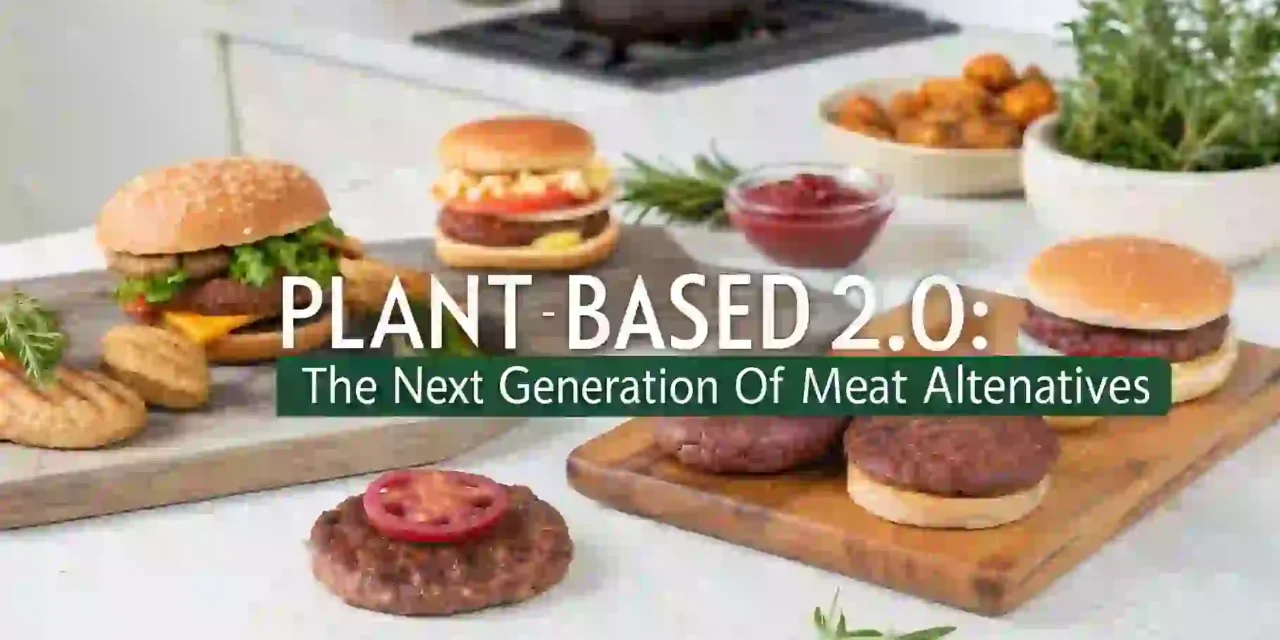
The evolution of meat alternatives has taken significant strides in recent years, leading to the emergence of what is now referred to as Plant-Based 2.0. This innovative phase represents a transition from traditional plant-based products, such as tofu and seitan, to a more advanced spectrum of meat alternatives that aim to closely mimic the taste, texture, and nutritional profiles of animal products. This development is driven primarily by the increasing demand from consumers for healthier, more sustainable, and palatable food options.
As more individuals move towards vegetarian and vegan diets, the focus has shifted to creating products that do not compromise on flavor or nutrition. In response, companies are leveraging technology and culinary innovation to create plant-based meat alternatives that appeal not only to those following strict plant-based diets but also to omnivores seeking to reduce their meat consumption. This demand reflects a broader awareness of the environmental impacts of animal agriculture, prompting a search for solutions that align better with sustainability goals.
Modern meat alternatives are utilizing a variety of ingredients, including legumes, grains, and innovative protein sources, such as pea protein, chickpeas, and mycoprotein. These ingredients are meticulously crafted to deliver products that replicate traditional meat dishes, thereby providing consumers with more reasons to explore plant-based options. Furthermore, the emphasis on nutrition means that many of these substitutes are fortified with essential vitamins and minerals, making them not only a more environmentally friendly choice but a nutritionally viable one as well.
In essence, Plant-Based 2.0 signifies a pivotal movement in the food industry, heralding the arrival of sophisticated alternatives that not only cater to taste preferences but also promote health and sustainability. The continued evolution of these innovations is poised to reshape how consumers approach food choices and consider the impact of their diets on both personal health and the planet.
Overview of Current Plant-Based Meat Alternatives
In recent years, the market for plant-based meat alternatives has expanded significantly, offering consumers a diverse range of options that cater to various dietary preferences and nutritional needs. Popular products such as veggie burgers, sausages, and meatballs have emerged as front-runners, appealing to both vegans and omnivores alike who seek healthier and more sustainable food choices.
Leading brands like Beyond Meat and Impossible Foods have revolutionized the plant-based landscape with their innovative formulations, typically utilizing ingredients such as pea protein, brown rice protein, and various vegetable extracts to create textures and flavors reminiscent of traditional meat. Additionally, companies like MorningStar Farms and Gardein have developed a repertoire of meat-free products, incorporating whole foods like mushrooms, beans, and grains to enhance nutritional value. These alternatives provide an abundance of protein while often being lower in saturated fats compared to their animal-based counterparts, making them an appealing option for health-conscious consumers.
Furthermore, the nutritional profiles of these plants-based foods often boast added vitamins and minerals, including B vitamins and iron, which are commonly found in meat. As more consumers gravitate toward flexitarian diets—where they incorporate plant-based options alongside their usual meals—these alternatives have gained traction not only due to their health benefits but also their environmental impact. A growing number of individuals are motivated by the ethical aspects of food production, leading to increased interest in sustainable agricultural practices that these products often represent.
Overall, the variety and appeal of current plant-based meat alternatives demonstrate their capacity to satisfy a broad spectrum of dietary preferences and reinforce the evolving nature of our food landscape.
The Science Behind Plant-Based 2.0 Innovations
The innovations in plant-based meat alternatives are grounded in scientific research and technological advancements that aim to replicate the attributes of conventional meat. One of the most exciting developments in this sphere is the use of mycelium, the root structure of mushrooms. Mycelium possesses a fibrous texture that can closely mimic the chewiness of animal protein, and its ability to absorb flavor allows for the creation of a product that can be seasoned to resemble traditional meat. As mycelium production techniques evolve, manufacturers are harnessing its properties to create sustainable and savory food options that provide a more environmentally friendly alternative to livestock.
In addition to mycelium, legume proteins have gained prominence in the quest for meat alternatives. Pulses such as peas, lentils, and chickpeas are excellent sources of protein, and their versatility makes them suitable for various culinary applications. The technological processes involved in isolating and concentrating these proteins allow manufacturers to engineer products with a meat-like texture. By utilizing advanced food processing techniques, companies aim to enhance the sensory profile of these plant-based options, ensuring they are both appealing and nutritious for consumers seeking to reduce their meat consumption.
Fermentation processes also play a crucial role in the advancement of the next generation of meat alternatives. Through fermentation, plant proteins can be transformed to improve their nutritional profile and flavor. This method not only enhances digestibility but can also introduce beneficial probiotics, making the food products both healthier and more appealing. As innovations in fermentation technology continue to emerge, they pave the way for the creation of meat alternatives that not only closely replicate animal-based foods but also offer additional health benefits, marking a significant step forward in the evolution of food.
Nutritional Benefits of Next-Gen Alternatives
The rise of Plant-Based 2.0 products has significantly transformed the landscape of meat alternatives, particularly in terms of nutritional offerings. These next-generation alternatives are designed to meet or exceed the nutritional profiles of their animal counterparts. One of the most notable aspects of these products is their high protein content. Many Plant-Based 2.0 alternatives are formulated to contain similar amounts of protein as traditional meat, enabling consumers to maintain appropriate protein intake without relying on animal sources.
In addition to protein, these alternatives are often fortified with essential vitamins and minerals that are commonly found in meat, such as iron, zinc, and B vitamins. For instance, while plant sources of iron typically feature lower bioavailability, innovative production techniques have enhanced absorption rates in these new alternatives, making them a viable source of this critical nutrient. Furthermore, the inclusion of fortified nutrients/additives addressed specific dietary deficiencies common among those who may transition to a plant-based diet.
Aside from being nutritionally competitive, the composition of these next-gen products often promotes better health outcomes. With lower saturated fat levels and an absence of cholesterol, they align well with guidelines advocating for reduced intake of animal fats, which can influence heart health. Many of these products are also rich in dietary fiber, aiding in digestion and potentially contributing to weight management. Enhanced formulation strategies have introduced additional functional ingredients like omega-3 fatty acids derived from algae, thereby enriching the nutritional profile further.
Ultimately, the nutritional merits of Plant-Based 2.0 alternatives not only provide a solution for those seeking to reduce their meat consumption but also present an opportunity to improve overall health. As consumers become more health-conscious, the shift towards these fortified alternatives appears promising in the quest for balanced and nutritious dietary choices.
Sustainability and Environmental Impact
The growing interest in Plant-Based 2.0 options is primarily driven by the increasing awareness of sustainability and the environmental impact associated with traditional meat production. Conventional livestock farming is a significant contributor to climate change, accounting for approximately 14.5% of global greenhouse gas emissions. In contrast, Plant-Based 2.0 products aim to provide alternatives that substantially lower the carbon footprint linked with meat production. These innovations are typically crafted from plants, utilizing less land and water while also producing fewer emissions throughout their life cycles.
Land use is a critical factor in assessing the sustainability of food choices. Traditional meat production requires extensive grazing land and feed crop cultivation, resulting in deforestation and habitat degradation. Plant-Based 2.0 alternatives generally require far less land, often needing only a fraction of the space to produce equivalent quantities of protein. This shift not only helps alleviate pressure on deforested areas but also promotes biodiversity, making these alternatives appealing to environmentally conscious consumers.
Furthermore, water consumption is another significant concern associated with food production. It is estimated that it takes around 1,800 gallons of water to produce just one pound of beef. Conversely, Plant-Based 2.0 products typically utilize far lesser amounts, contributing to water conservation efforts. Such reductions in water use highlight the capacity of these alternatives to contribute to more sustainable food systems.
Ultimately, understanding the environmental impact of food choices is essential for consumers. Many are becoming more discerning and inclined to support products that emphasize sustainability, thereby driving market demand for these plant-based innovations. As awareness grows about the profound effects of eating habits on the planet, the trend towards sustainable food options continues to gain momentum.
Consumer Trends and Market Growth
The market for plant-based meat alternatives has experienced remarkable growth in recent years, driven by a combination of evolving consumer preferences and increasing awareness of health, environmental, and ethical issues surrounding traditional animal-based products. As of 2023, the global plant-based meat market was valued at over $7 billion, with projections indicating it could reach approximately $25 billion by 2030, reflecting a compound annual growth rate (CAGR) of around 20%.
One significant driver of this growth is the rise of flexitarian consumers who incorporate plant-based foods into their diets without fully eliminating meat. This demographic accounts for a majority of additional sales in the plant-based food sector, indicating that many consumers are seeking healthier and more sustainable options while still enjoying occasional meat consumption. In addition, there has been a notable increase in the number of individuals identifying as fully vegan or vegetarian, further expanding the potential market for plant-based alternatives.
Health-conscious individuals are another prominent consumer group propelling the demand for alternative proteins. Research shows that many consumers associate plant-based foods with lower cholesterol levels, reduced risk of chronic diseases, and overall wellness. Consequently, companies are investing in innovative product development to cater to this health-focused segment, offering options that are not only plant-based but also fortified with essential nutrients to differentiate their offerings in a competitive market.
Shifting attitudes towards sustainability also play a critical role in the rise of plant-based products. Consumers are increasingly aware of the environmental impact linked to meat production, such as greenhouse gas emissions and resource depletion. As more individuals prioritize sustainable eating practices, manufacturers are responding by emphasizing the eco-friendly attributes of their plant-based offerings.
With the landscape continually evolving, it is evident that strategic marketing and a focus on enhancing product quality will be key factors in sustaining growth within the plant-based meat sector. This market trajectory suggests that manufacturers should remain agile to accommodate the diverse needs and preferences of their target demographic, paving the way for a future where meat alternatives become commonplace on dining tables worldwide.
Challenges Facing the Plant-Based Industry
The plant-based industry has witnessed significant advancements in the development of meat alternatives, yet it still encounters various challenges that threaten its growth and consumer acceptance. One of the foremost hurdles is consumer skepticism. Many individuals remain unconvinced about the nutritional value, taste, and overall quality of plant-based products. This skepticism is often rooted in a long-standing preference for traditional animal-based food, where taste and texture are frequently perceived as superior. To combat this, companies must invest in research and development to enhance product formulation, ensuring that plant-based foods can satisfy even the most discerning palates.
Another significant challenge is the regulatory environment surrounding plant-based foods. Policymakers are continually revising guidelines and standards, which can create uncertainty for manufacturers. Different regions will have varying definitions of what qualifies as “meat” in plant-based alternatives, leading to potential legal disputes and market fragmentation. Navigating this complex regulatory landscape, while advocating for clear definitions and standards, is vital for the industry to create a cohesive strategy that secures wider market acceptance and consumer trust.
Additionally, supply chain issues present considerable obstacles, particularly concerning sourcing raw materials and maintaining consistent quality. With the growing popularity of plant-based diets, the demand for key ingredients such as pea protein and lentils has surged. This increased demand can strain agricultural systems, leading to potential shortages and price fluctuations. Collaborating with farmers to establish sustainable practices and ensure a steady supply chain is essential. Furthermore, educating both consumers and producers about sustainable sourcing can bolster the industry’s reputation and enhance overall food security.
Addressing these challenges is critical for the ongoing development of Plant-Based 2.0 products. Through targeted strategies and consumer education, the industry can work to overcome skepticism, navigate regulations, and stabilize supply chains, ultimately fostering an environment where plant-based food can thrive.
Real-Life Success Stories
In recent years, the plant-based food industry has witnessed a remarkable transformation driven by innovative companies and startups. These pioneers are not only redefining meat alternatives but are also demonstrating significant success in marketing their offerings to a broader audience. A prime example is Beyond Meat, a company that has effectively utilized cutting-edge technology to create plant-based products that closely mimic the taste and texture of traditional meat. Their burgers are now widely available in grocery stores and restaurants, which has contributed to a surge in consumer acceptance and interest.
Another notable player is Impossible Foods. The company’s flagship product, the Impossible Burger, utilizes a unique ingredient called heme, derived from plants, which provides a meaty flavor. Their marketing strategies focus on educating consumers about the environmental benefits and health aspects associated with plant-based diets. By offering a product that appeals to both vegetarians and meat-eaters, Impossible Foods has successfully penetrated mainstream markets, garnering significant attention and demand.
Startups like Oatly, which offers oat-based dairy alternatives, are shaping the conversation around plant-based food, addressing both sustainability and health. Oatly’s campaigns emphasize ethical consumption while promoting their products as a healthier choice. Their success showcases the increasing acceptance of plant-based options beyond just meat alternatives. Social media marketing and influencer partnerships have amplified their reach, demonstrating the power of modern marketing strategies in engaging a diverse audience.
Additionally, case studies such as the successful launch of major plant-based meat products highlight the ongoing evolution of consumer preferences. As more people seek healthier and environmentally sustainable dietary options, companies that innovate and resonate with consumers’ values are likely to thrive. The impressive growth in sales and market presence of these companies underscores a significant shift in the food industry, signifying the potential for future advancements in plant-based alternatives.
The Future of Plant-Based Eating
The landscape of food is undergoing a significant transformation, marked by the increasing adoption of plant-based diets and the rise of innovative meat alternatives. As consumer awareness about health and environmental concerns deepens, the future of plant-based eating appears poised for remarkable advancements. Researchers and manufacturers are exploring groundbreaking technologies that can enhance the flavor, texture, and nutritional profile of plant-based foods. For instance, improved fermentation techniques promise to enrich the flavor profiles of meat alternatives, making them appeal not only to vegetarians but also to a broader spectrum of meat lovers.
Moreover, the demand for diversity in flavors is on the rise. The next generation of meat alternatives is expected to feature an expanding array of tastes and cuisines, drawing inspiration from global culinary traditions. This diversification will cater to consumers’ growing desire for complex and satisfying eating experiences, ensuring that plant-based options can hold their own against traditional animal products.
Societal shifts, too, are playing a crucial role in the evolution of plant-based eating. The increasing prevalence of health issues related to meat consumption, along with the urgent need for sustainable food systems, is prompting a reassessment of dietary choices. Educated consumers are not only seeking food that is healthier but are also prioritizing environmental responsibility in their food sourcing decisions. This shift in consciousness is likely to spur innovative collaborations between technology and agriculture, resulting in more efficient plant-based food production methods.
In light of these factors, the future of plant-based eating appears bright, with a promising landscape of delicious, satisfying alternatives that cater to evolving consumer preferences. The advancements in technology and culinary creativity, alongside a significant cultural shift towards sustainability, indicate a transformative era for the food industry. The development and acceptance of these food innovations may inspire a broader societal embrace of plant-based diets, ultimately leading to a healthier populace and a more sustainable planet.