Introduction to Self-Healing Tires: Nanotechnology’s Road to Eternity
In recent years, the automotive sector has made significant advancements, particularly in tire technology. Among the most innovative developments are self-healing tires, which are engineered to autonomously repair minor damages that can occur during normal use. This revolutionary concept not only enhances the longevity of tires but also contributes to enhanced safety on the road. The traditional approach to tire maintenance has often relied on periodic inspections and replacement, leading to unnecessary waste and a heightened risk of tire failure.
Self-healing tires utilize advanced nanotechnology to incorporate materials that can regenerate when exposed to specific conditions, such as heat or pressure. These materials, often polymers or other composite substances, are designed to fill punctures and cuts, thereby restoring the tire’s structural integrity without requiring immediate intervention from the driver. This self-repairing capability drastically reduces the frequency of flat tires, minimizing the inconvenience and potential hazards associated with tire blowouts.
The implications of self-healing tires extend beyond just personal convenience; they also play a critical role in enhancing road safety. By reducing the instances of tire-related incidents, drivers can enjoy greater peace of mind and focus more on the driving experience itself. Furthermore, the environmental benefits are significant, as fewer tire replacements translate to less waste in landfills and a smaller carbon footprint associated with tire production.
As the automotive industry continues to innovate, the introduction of self-healing tires stands out as a promising advancement that meets the demands of modern mobility while addressing some of the pressing challenges faced today. The widespread adoption of this technology could transform not only how we perceive tire maintenance but also how we approach safety in the realm of automotive travel.
The Science Behind Nanotechnology
Nanotechnology is a field that focuses on manipulating matter at an atomic or molecular scale, typically within the size range of 1 to 100 nanometers. Its transformative potential is particularly evident in the automotive industry, especially in the development of advanced materials such as self-healing tires. These innovative tires utilize nanomaterials integrated into the rubber compounds, enhancing their overall performance and longevity.
One of the primary advantages of incorporating nanotechnology into tire manufacturing is the unique properties that nanomaterials possess. For instance, nano-sized additives can significantly improve the elasticity of tire rubber. This improvement not only enhances the grip and performance of the tires on various surfaces, but it also allows the rubber to return to its original shape after deformation, thereby increasing the longevity of the tires.
Moreover, nanomaterials contribute to the durability of tires by reinforcing the rubber matrix. The addition of nanoparticles can improve the mechanical strength of the rubber, making it more resistant to wear and handling extreme conditions, which is vital for any automotive component subjected to heavy use. As a result, this increased durability can lead to reduced tire waste and extended service life, aligning with sustainability goals within the automotive sector.
Additionally, the anti-aging effects of certain nanomaterials prevent the degradation of rubber due to environmental factors such as UV radiation, ozone exposure, and heat. This aspect is crucial in maintaining the performance characteristics of automotive tires, as well as in preserving their visual integrity over time. By leveraging the properties of nanotechnology, manufacturers can create self-healing tires that not only withstand damage but can also repair themselves when small punctures occur, thus reducing the need for frequent replacements.
How Self-Healing Technology Works in Tires
The advancement of self-healing technology in the automotive industry marks a significant transformation in tire manufacturing. At the core of this innovative approach lies the use of specialized nanomaterials. These materials are engineered to react under specific conditions, enabling the tire to repair itself when damaged. The most common types of nanomaterials integrated into self-healing tires include thermoplastic elastomers imbued with microcapsules or vascular networks containing healing agents.
When a tire incurs damage—be it a puncture from road debris or a cut from sharp objects—the nanomaterials activate based on temperature and pressure changes. For instance, as the tire operates, friction creates heat, which can cause the microcapsules sealed within the elastomer to rupture upon sustaining damage. This rupture releases a healing agent that interacts chemically to bond and fill the damaged area seamlessly. If the damage is minor, such as a small puncture, this self-healing mechanism allows the tire to restore its integrity almost instantaneously, effectively making the tire both durable and resilient.
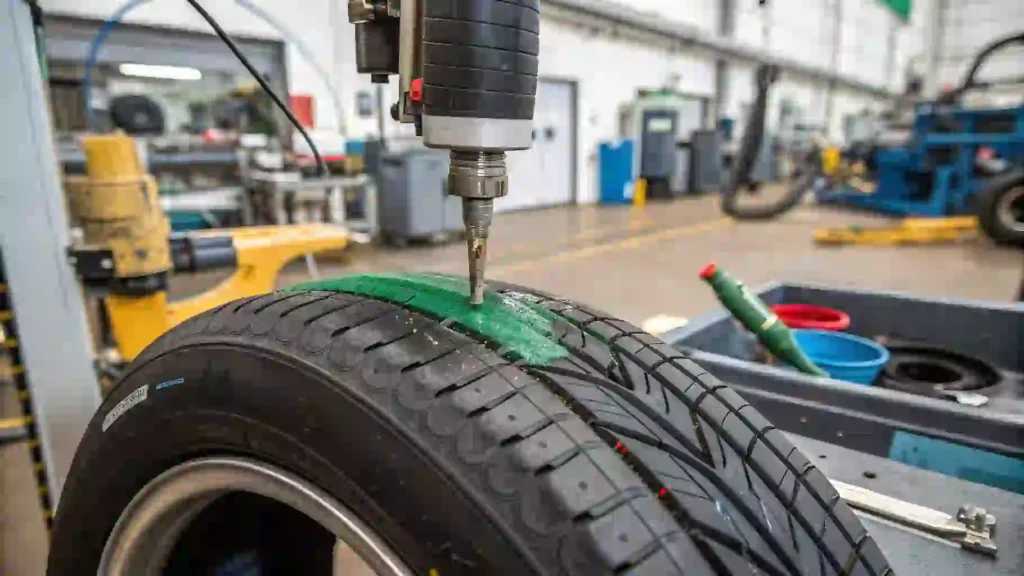
In terms of effectiveness, self-healing tires can manage various types of damage. Small punctures typically measuring less than a few millimeters are easily addressed by this technology, significantly reducing the risk of blowouts that can compromise vehicle safety. Moreover, while cuts from sharp objects present more of a challenge, modern advancements in nanotechnology are improving the ability of these tires to manage more extensive damage. The innovative use of nanomaterials provides an excellent solution for enhancing tire longevity, decreasing maintenance costs, and providing a safer driving experience. The integration of these features represents a paradigm shift, where tires evolve from being mere components of the automotive design to a critical element enhancing overall vehicle performance.
Advantages of Self-Healing Tires
Self-healing tires, an innovative advancement in the automotive industry, offer numerous advantages both to consumers and manufacturers. One of the most significant benefits of these tires is their extended lifespan. Traditional tires are prone to punctures and damage, which can significantly shorten their usability. In contrast, self-healing tires can repair themselves when minor injuries occur, substantially increasing their durability and usage period. As a result, consumers can enjoy longer service from their tires without frequent replacements, leading to significant cost savings over time.
In conjunction with longer tire life, self-healing tires translate into reduced maintenance costs. Consumers and fleet operators alike are often faced with the financial burden of tire maintenance and replacement. With self-healing technology, the need for repairs diminishes, allowing users to allocate their resources to other areas of vehicle upkeep, thus enhancing overall economic efficiency.
Safety is another paramount advantage of self-healing tires. Given that these tires can autonomously rectify punctures, the likelihood of experiencing blowouts or tire failures on the road is significantly minimized. This self-repairing capability enhances driver confidence, ensuring safer travel conditions not only for the occupants of the vehicle but also for other road users. Additionally, the environmental impact of self-healing tires warrants consideration. With their ability to prolong tire life, less waste material is generated from discarded, damaged tires, contributing positively to sustainability within the automotive sector.
In conclusion, the adoption of self-healing tires presents a multitude of advantages that benefit both consumers and manufacturers. From the enhancement of safety and reduction in maintenance costs to the support of sustainability initiatives, the advantages of embracing this technology are profound, marking a substantial step forward in the evolution of tires in the automotive industry.
Challenges in Developing Self-Healing Tires
The development of self-healing tires represents a significant innovation in the automotive industry, promising safety and longevity for vehicles. However, several challenges currently impede the widespread adoption of this technology. A primary concern revolves around production costs, as the incorporation of advanced materials and nanotechnology often leads to higher expenses. These costs can make self-healing tires less accessible for the average consumer, particularly in a market that is already sensitive to price fluctuations.
Another critical issue is scalability. While the technology has been successfully tested in controlled environments, moving from a laboratory setting to mass production poses numerous hurdles. Manufacturing processes must be refined to maintain the quality and effectiveness of self-healing properties, which can be complicated and time-consuming. Consequently, establishing a consistent production line that meets the automotive industry’s rigorous standards requires substantial investment and research.
Consumer acceptance is yet another hurdle. Many drivers may be skeptical about relying on an unproven technology for their safety on the road. There is a need for extensive education to inform consumers about the benefits and reliability of self-healing tires. Overcoming ingrained perceptions regarding traditional tire safety can be challenging.
Durability under extreme conditions is still a topic of ongoing research. Self-healing tires must withstand diverse weather conditions, ranging from extreme heat to frigid temperatures, which can impact their performance. Ensuring that these tires maintain their integrity and healing capabilities in varying circumstances is crucial for consumer confidence.
Ultimately, while the future of self-healing tires offers tremendous potential for the automotive industry, significant challenges remain. Continued research and development are necessary to address these obstacles, paving the way for safer and more resilient tires on our roads.
Real-World Applications and Case Studies
The implementation of self-healing tire technology has gained significant traction across various sectors, illustrating its practicality and enhancing the longevity of automotive products. A prominent example is the collaboration between major tire manufacturers and nanotechnology firms to develop self-sealing tires specifically designed for commercial vehicles. These tires incorporate an advanced polymer matrix that can automatically seal punctures, thereby reducing downtime and maintenance costs associated with traditional tire wear and tear.
One notable instance is Bridgestone’s innovative approach to self-healing tires in their Ecopia line. These tires utilize a special self-repairing compound that allows the material to heal minor cuts and punctures as soon as they occur. This technology has been particularly beneficial for delivery and logistics companies, where vehicle uptime is critical to maintaining operational efficiency. Early trials have indicated a marked decrease in tire replacements and repairs, resulting in savings that benefit fleet operators.
Passenger cars are also reaping the benefits of this automotive advancement. Michelin introduced a tire known as the Vision, which not only incorporates self-healing capabilities but is also constructed from sustainable materials. This innovative tire is designed to last longer than conventional tires and improve fuel efficiency, thus appealing to environmentally conscious consumers. The self-healing technology integrated within enhances driver safety by reducing the likelihood of blowouts caused by tire damage.
In the realm of research and development, numerous startups are pushing the boundaries of self-healing tire technology. Companies such as TireCure are actively developing experimental tires that utilize nanomaterials for enhanced durability and self-repair functions. These advancements underscore the potential of integrating nanotechnology into the automotive sector, with practical applications that could revolutionize the way vehicles operate in the future.
Future Trends in Tire Technology
The evolution of tire technology is increasingly intertwined with advancements in nanotechnology, which sets the foundation for promising innovations such as self-healing tires. As the automotive industry seeks to enhance performance and safety standards, the integration of self-healing mechanisms in tires stands out as a significant development. These innovative tires, embedded with nanomaterials, can autonomously repair minor punctures and abrasions, potentially extending tire life and reducing the frequency of replacements.
The future of tires will likely see further exploration of multifunctional materials that not only self-repair but also respond dynamically to various road and weather conditions. Researchers are investigating the use of smart polymers and adaptable composites that can alter their physical properties based on environmental stimuli. This could lead to tires that optimize grip in adverse conditions or enhance fuel efficiency through lower rolling resistance.
Collaboration among automotive manufacturers, tire producers, and material scientists is crucial for catalyzing these advancements. Joint ventures can facilitate the sharing of knowledge and resources necessary to scale production and enhance the effectiveness of self-healing technologies. As various stakeholders come together, they can drive innovations that provide not just durability but also contribute to greater environmental sustainability by minimizing waste associated with tire disposal.
Moreover, the market’s shift towards electric vehicles (EVs) adds another layer of complexity and opportunity for tire technology. With the growing emphasis on energy efficiency, tires designed for EVs must be optimized not just for performance but also for low rolling resistance and low noise levels. Such developments will undoubtedly influence future products in the automotive industry.
In conclusion, the integration of nanotechnology in tire design promises a transformative impact on the automotive sector, likely leading to a new era of self-healing tires that improve safety, sustainability, and overall driving experience.
Consumer Insights and Market Potential
As the automotive industry continues to evolve, self-healing tires have surfaced as one of the most innovative advancements in tire technology. Recent consumer surveys indicate a growing interest in self-healing tires, primarily due to their potential to enhance safety and reduce maintenance costs. Many consumers perceive these advanced tires as a solution to typical tire issues such as punctures and wear, promising longer lifespans and greater reliability.
Market research shows that approximately 65% of automotive consumers are intrigued by the possibility of self-healing technology, with a notable percentage expressing willingness to pay a premium for such features. This indicates a significant market potential for manufacturers willing to invest in the development and marketing of automotive products utilizing nanotechnology. Furthermore, studies reveal that younger consumers, particularly those aged 18 to 35, demonstrate even higher interest levels, possibly due to their proactive attitude toward embracing technology.
However, a crucial barrier remains: consumer education. Many potential buyers lack a comprehensive understanding of how self-healing tires function and their long-term benefits. Manufacturers are therefore tasked with creating informative marketing campaigns that not only highlight the tire’s technology but also its practical advantages. Visual aids, real-world demonstrations, and detailed explanations can enhance consumer comprehension and drive interest in this cutting-edge product.
Pricing is another essential consideration. Consumers often associate high prices with quality; however, they also expect value for their investment. Manufacturers must find a balance in pricing strategies that reflect the advanced features of self-healing tires while remaining competitive within the automotive market. Special promotions or financing options could alleviate initial cost concerns, making this innovative technology more accessible to a broader consumer base.
Conclusion: The Road Ahead
The implications of self-healing tires extend far beyond mere convenience; they signify a crucial advancement in the automotive landscape. As technology evolves, the potential integration of nanotechnology in tire fabrication offers enhanced safety features that contribute significantly to overall vehicle performance. The resilience afforded by self-healing materials can reduce the frequency of tire replacements and mitigate the risk of blowouts, thus elevating road safety for drivers and pedestrians alike.
Furthermore, the environmental benefits associated with self-healing tires cannot be overlooked. Traditional tire disposal poses substantial ecological challenges due to their non-biodegradable nature. By reducing the need for frequent replacements, self-healing tires could diminish the volume of waste entering landfills, presenting a step forward in sustainable automotive practices. This innovation aligns with the global imperative to pursue environmentally-friendly solutions within the industry, contributing to a reduced carbon footprint.
Moreover, the potential for smarter, more resilient vehicles lies in the further adoption of advanced materials and technologies. The exploration of self-healing properties in tires opens the door for other automotive components to adopt similar technologies, leading to vehicles that can autonomously detect and address damages. This paradigm shift could transform automotive maintenance and enhance the overall driving experience.
As we look to the future, the continued investment in nanotechnology and its applications in the automotive sector will be instrumental in shaping a more dynamic and sustainable industry. The road ahead is paved with opportunities for enhanced safety, improved environmental stewardship, and technological innovation. The emergence of self-healing tires stands as a testament to the potential of integrating cutting-edge science into everyday applications, heralding a new era for the automotive sector.