Introduction to Sustainable Seafood
Sustainable seafood refers to fish and other seafood harvested through methods that prioritize the health of marine ecosystems and the well-being of fishing communities. The rising global population continues to drive the demand for food, notably seafood, which is a vital protein source for billions of people. However, traditional fishing practices often lead to overfishing, habitat destruction, and the depletion of marine species. Thus, an increased focus on sustainability is essential for ensuring that future generations can enjoy seafood without endangering ocean health.
The implementation of sustainable fishing practices can help to mitigate these issues. This includes adopting techniques that minimize bycatch, which is the capture of unintended species, and employing aquaculture practices that reduce environmental impacts. Furthermore, sustainability involves recognizing and addressing the ecological balance needed for fish populations to thrive. Overfishing can lead to significant reductions in fish stocks, affecting not only the availability of seafood but also the livelihoods of communities dependent on fishing. Therefore, understanding the importance of sustainable seafood is crucial for maintaining biodiversity in our oceans and rivers.
Moreover, the adoption of sustainable practices is pivotal in addressing the challenges posed by climate change, which further threatens marine habitats. As temperatures rise and oceanic conditions evolve, fish populations may shift geographically, creating additional pressure on existing fisheries. Innovative solutions such as plant-based seafood alternatives and lab-grown options are being explored to satisfy consumer demand without contributing to environmental degradation. As we move towards a future where sustainable seafood becomes the norm rather than the exception, it is clear that collaborative efforts among consumers, producers, and policymakers are essential for the health of our oceans and food security.
The Overfishing Crisis
The state of global fisheries is at a critical juncture, with overfishing emerging as one of the most pressing issues confronting marine ecosystems. According to the Food and Agriculture Organization (FAO), approximately 34% of global fish stocks are overexploited, depleted, or in recovery from depletion. This alarming statistic underscores the urgent need to address unsustainable fishing practices that threaten both fish populations and marine biodiversity.
As fish are vital not only for ecological balance but also as a primary food source for billions of people worldwide, the implications of declining species are far-reaching. For example, the Atlantic cod population, once thriving, has seen its numbers plummet by over 90% since the 1960s due to excessive fishing pressure. Such dramatic decreases in species abundance have cascading effects throughout the marine food web, leading to imbalances that further threaten other marine organisms.
The long-term consequences of ongoing overfishing are dire. Over time, the loss of key species can destabilize marine ecosystems, resulting in diminished biodiversity and compromised food chains. This ecological deterioration ultimately impacts food security, as communities that rely on fishing for their livelihoods face severe risks. It is critical to recognize that the health of our oceans directly correlates with the availability of seafood for consumption; therefore, unsustainable practices endanger future generations’ access to essential marine food resources.
Moreover, the impact of overfishing extends beyond immediate biological concerns. The economic ramifications for coastal communities, dependent on fishing industries, can be devastating, prompting the necessity for adaptive measures in governance and policy. Efforts such as establishing marine protected areas, enforcing catch limits, and promoting sustainable aquaculture practices are essential to mitigate the effects of overfishing. Only through a concerted global effort can we strive to restore fish populations and ensure the future health of our oceans and the food they provide.
Emerging Technologies in Aquaculture
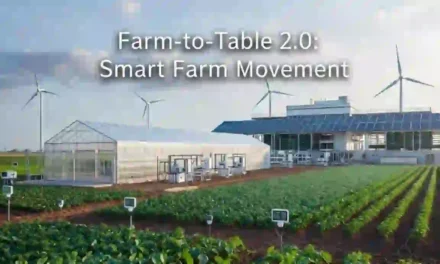
Aquaculture is experiencing significant advancements that are essential for the future of sustainable seafood production. One of the most promising innovations in this field is vertical farming, which utilizes vertical space to maximize food production in urban areas or spaces where traditional farming may not be viable. By deploying stacked layers of fish tanks and crops, vertical farming can produce seafood and complementing plant-based foods in a resource-efficient manner. This method reduces the need for large land plots and can lower transportation emissions, resulting in a more sustainable food system.
Another transformative technology is the recirculating aquaculture system (RAS). RAS involves the filtration and reuse of water in aquaculture operations, thereby minimizing water waste and creating a controlled environment for fish growth. These systems enable the farming of seafood in areas where water is scarce, contributing to sustainable practices by reducing the aquaculture industry’s impact on natural water bodies. RAS also supports precise monitoring of water quality, which ensures healthier fish stocks and lowers the risk of disease.
Integrated multi-trophic aquaculture (IMTA) represents a pioneering approach that aligns with sustainable seafood production goals. By cultivating different species together, IMTA utilizes waste products from one species as a nutrient source for another, creating a symbiotic relationship within the ecosystem. For example, combining fish, shellfish, and seaweed in a single system can lead to less waste, increased yield, and enhanced biodiversity. This form of aquaculture not only produces seafood but also contributes positively to the surrounding environment.
Through innovations like vertical farming, RAS, and IMTA, the aquaculture sector is poised to address the escalating global demand for seafood while ensuring the sustainability of our oceans. These advancements are crucial in reducing the overdependence on wild fish stocks and fostering a balanced approach to aquatic food production.
Alternative Protein Sources: Plant-Based and Cultured Seafood
The quest for sustainable seafood has led to a rising demand for alternative protein sources, particularly within the realms of plant-based and cultured seafood products. These options provide viable solutions to the challenges posed by overfishing and the environmental degradation associated with traditional fishing practices. By shifting from conventional animal protein sources to innovative alternatives, consumers can enjoy seafood-like flavors and textures without the ecological repercussions.
Plant-based seafood products replicate traditional seafood varieties using ingredients such as algae, legumes, and other plant-derived components. These items not only lessen the annual catch of fish but also significantly diminish the carbon footprint associated with seafood production. Additionally, these plant-based alternatives are often fortified with essential nutrients, making them appealing to health-conscious consumers. For instance, many products are enriched with omega-3 fatty acids derived from algae, which are crucial for maintaining a balanced diet yet typically found in higher concentrations in fish.
On the other hand, cultured seafood, also known as lab-grown seafood, is produced through cellular agriculture. This innovative approach involves cultivating fish cells in a controlled environment to create actual seafood products without the need for traditional fishing. The environmental benefits of cultured seafood are substantial; it has the potential to reduce water usage, lessen habitat destruction, and minimize greenhouse gas emissions when compared to conventional fishing methods. As awareness of these advantages spreads, cultured seafood continues to attract interest from both consumers and investors alike.
Consumer preferences are evolving, with a growing segment actively seeking sustainable options that align with their values. With advancements in production technologies and a broader availability of these alternative protein sources, the future looks promising for both plant-based and cultured seafood. In conclusion, as the sustainable seafood movement gains momentum, alternative protein sources may play a pivotal role in reshaping the seafood landscape for the betterment of our planet and its inhabitants.
The Role of Policy and Regulation in Sustainable Fishing
The sustainability of seafood sources is increasingly dependent on effective policy and regulation at both national and international levels. Government initiatives play a crucial role in promoting sustainable fishing through the establishment of guidelines that govern fish harvesting methods, ensuring that marine ecosystems are preserved for future generations. Regulations can include catch limits, seasonal fishing bans, and the prohibition of destructive fishing gears, all designed to minimize the negative impacts of fishing on fish populations and habitats.
International agreements, such as the United Nations’ Sustainable Development Goals and the Convention on International Trade in Endangered Species of Wild Fauna and Flora (CITES), also exert influence on sustainable fishing practices. These agreements encourage countries to collaborate on shared goals for fish conservation while supporting responsible aquaculture practices. Furthermore, through frameworks like the Common Fisheries Policy in the European Union, member states are urged to adopt adaptive management practices that align with sustainability objectives.
Effective regulation acts as a catalyst for fishers and aquaculture producers to adopt sustainable methods, offering incentives such as financial support for environmentally friendly practices or certification programs that attest to responsible seafood sourcing. Policies that promote transparency within the seafood supply chain are also vital, as they enable consumers to make informed choices about the seafood they purchase, thereby driving demand for sustainable options.
Additionally, engaging local communities in the policymaking process is essential. When fishers are part of the conversation, regulations can be more accurately tailored to the realities of their operations, ensuring wider compliance and improved sustainability outcomes. As the global community continues to grapple with the challenges posed by overfishing and marine habitat degradation, strengthening and enforcing robust policies will remain critical to securing the future of our seafood resources.
Consumer Awareness and the Demand for Sustainability
In recent years, there has been a notable shift in consumer behavior regarding seafood and its sustainability. As information becomes more accessible, consumers are increasingly aware of the environmental impact of their food choices, particularly when it comes to seafood sourcing. This growing awareness is driving demand for sustainable seafood options, which in turn influences fishing practices and industry standards. The rising interest in sustainability is often reflected in purchasing decisions, as consumers actively seek out products that are harvested responsibly and sustainably.
Eco-labeling and certification programs have emerged as crucial tools in this shift toward sustainability. These labels, such as the Marine Stewardship Council (MSC), provide consumers with clear indicators of a product’s environmental impact and its adherence to sustainable fishing practices. Certifications serve not only as a reassurance to consumers but also as an incentive for producers and suppliers to engage in environmentally responsible practices. Thus, understanding these labels is paramount for consumers who wish to support sustainable options without being misled by vague marketing claims.
Education plays a significant role in this consumer evolution. As more individuals learn about the benefits of choosing sustainable seafood, they become empowered to make informed decisions that align with their values. Organizations and educational initiatives are essential in disseminating information regarding the sustainability of seafood and the importance of biodiversity preservation. By understanding the ecological ramifications of overfishing and the depletion of marine resources, consumers can exercise their purchasing power to demand better practices from suppliers and retailers.
Ultimately, the power of choice rests with the consumer. By opting for sustainable seafood options, individuals can effectively contribute to the transformation of the fishing industry, encouraging practices that prioritize environmental stewardship and long-term ecological balance.
Collaborations Between Industry, Researchers, and Conservationists
The collaboration between various stakeholders in the seafood industry plays a pivotal role in enhancing the sustainability of food systems. Over the years, partnerships have emerged between fishermen, scientists, non-governmental organizations (NGOs), and policymakers to address the pressing issues related to overfishing, habitat destruction, and the ecological impacts of conventional fishing practices. These alliances have successfully launched several innovative projects aimed at promoting sustainable seafood production and consumption.
One prominent example of such collaboration is the Seafood Watch program, established by the Monterey Bay Aquarium. This initiative works closely with scientists and industry leaders to provide consumers with comprehensive information regarding sustainable seafood choices. By conducting rigorous scientific assessments, Seafood Watch has transformed consumer preferences, prompting retailers and restaurants to prioritize sourcing seafood that is harvested in eco-friendly ways. This approach not only supports the conservation of marine ecosystems but also encourages fishermen to adopt more sustainable practices, ultimately aligning industry incentives with conservation goals.
Moreover, initiatives like the Global Fishing Watch have utilized advanced technology and satellite monitoring to enhance transparency in fishing activities. By providing real-time data on fishing vessels’ locations and behaviors, this program empowers researchers and conservationists to hold fisheries accountable while informing policymakers about illegal fishing activities. Such collaborative efforts have proven effective in influencing regulations and promoting sustainability in seafood markets.
Furthermore, local communities have also taken part in these collaborative efforts, as seen with the Gulf of California’s “Cohorts for Conservation.” This project brings together artisanal fishermen, scientists, and environmentalists to develop sustainable fishing methods that ensure both the fishermen’s livelihoods and the protection of marine biodiversity. The ongoing dialogue and shared knowledge that result from these partnerships emphasize the significance of collective action in the fight for sustainable seafood.
Future Trends in Seafood Sustainability
The future of sustainable seafood is poised to undergo significant transformation, driven by innovations and evolving consumer preferences. As concerns about overfishing and marine habitat depletion continue to grow, the demand for responsibly sourced food is leading the industry towards novel solutions. One promising trend lies in the development of aquaculture, which aims to provide a stable supply of seafood without putting additional pressure on wild fish populations. Enhancing aquaculture practices not only ensures more efficient production of fish and shellfish, but provides the opportunity to implement regenerative methods that protect ecosystems while meeting global food demands.
In addition to traditional aquaculture, cell-based seafood alternatives are gaining traction. These products, created through cellular agriculture, offer a sustainable way to replicate the taste and texture of fish without requiring fish to be caught, thus preserving marine biodiversity. With advancements in food technology, consumers can expect a growing variety of plant-based and lab-grown seafood offerings, making it easier to choose sustainable options. As these alternatives become more mainstream, they promise to alleviate some of the environmental burdens associated with conventional fishing practices.
However, along with these advancements, challenges remain. The reliance on technology in food production may raise concerns regarding regulatory measures and consumer acceptance. Transparency in sourcing and production will be crucial for building trust among consumers. Moreover, the balance between innovation, economic feasibility, and ecological responsibility must be carefully maintained. The integration of marine conservation initiatives alongside new technologies will be vital to ensure that seafood systems are sustainable and equitable.
As consumers become more educated about their food sources, the demand for sustainability in seafood will shape the market significantly. The continued shift towards responsible consumption and ethical practices offers both opportunities and challenges for stakeholders involved in the seafood supply chain, paving the way for a more sustainable future.
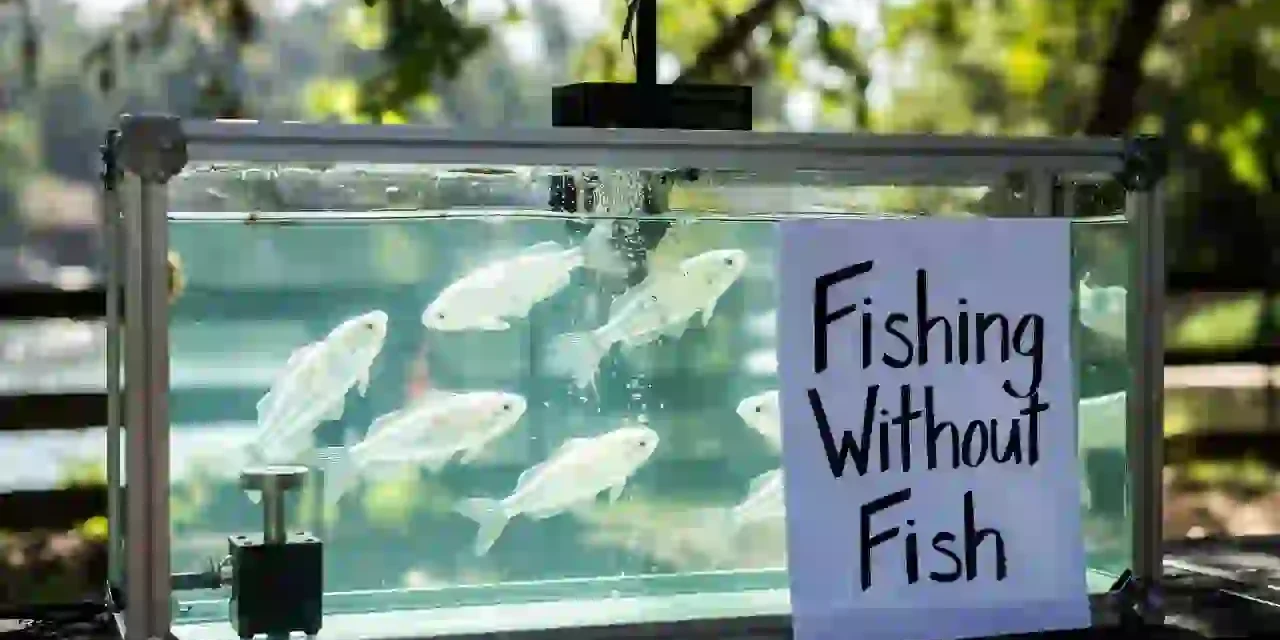
Conclusion: The Path Towards Fishing Without Fish
As we have explored throughout this blog post, the future of sustainable seafood is intricately tied to the need for innovative approaches to food production. The current challenges faced by traditional fisheries, including overfishing, environmental degradation, and the depletion of fish stocks, necessitate a fundamental shift in how seafood is produced and consumed. Sustainable solutions such as aquaculture, plant-based seafood alternatives, and cellular agriculture offer promising avenues to meet the global demand for seafood while preserving marine ecosystems.
The importance of collaboration cannot be overstated in this transition towards fishing without fish. It is essential for individuals, industries, and governments to join forces in promoting practices that prioritize environmental health and the welfare of marine species. By investing in research and development of alternative seafood technologies, we can pave the way towards more sustainable methods that do not rely on traditional fisheries. Additionally, educating consumers on the benefits of these new food sources is crucial for driving demand and creating a marketplace geared toward sustainability.
Furthermore, advocating for policies that support sustainable practices in the seafood industry is an important step forward. Governments must play a role in regulating fishing practices and incentivizing innovations that do not compromise the health of our oceans. As we make strides towards creating a food system that is less dependent on the exploitation of marine resources, we foster an environment where future generations can enjoy the diverse array of seafood without putting aquatic ecosystems at risk.
In summary, the journey toward a sustainable seafood future relies on multifaceted efforts. It requires a concerted push for innovation, policy change, and public engagement. Together, we can chart a path forward that not only provides food security but also protects our oceans and encourages biodiversity.