Introduction to Recovery Technology
The domain of recovery technology is experiencing substantial growth, particularly as it relates to the fields of sports and fitness. This growth is not limited to professional athletes; it has rapidly permeated wellness communities and the general population. The increasing recognition of recovery as a vital component of physical training and overall health has heightened the interest in various recovery methods that promise to optimize performance and expedite recovery times.
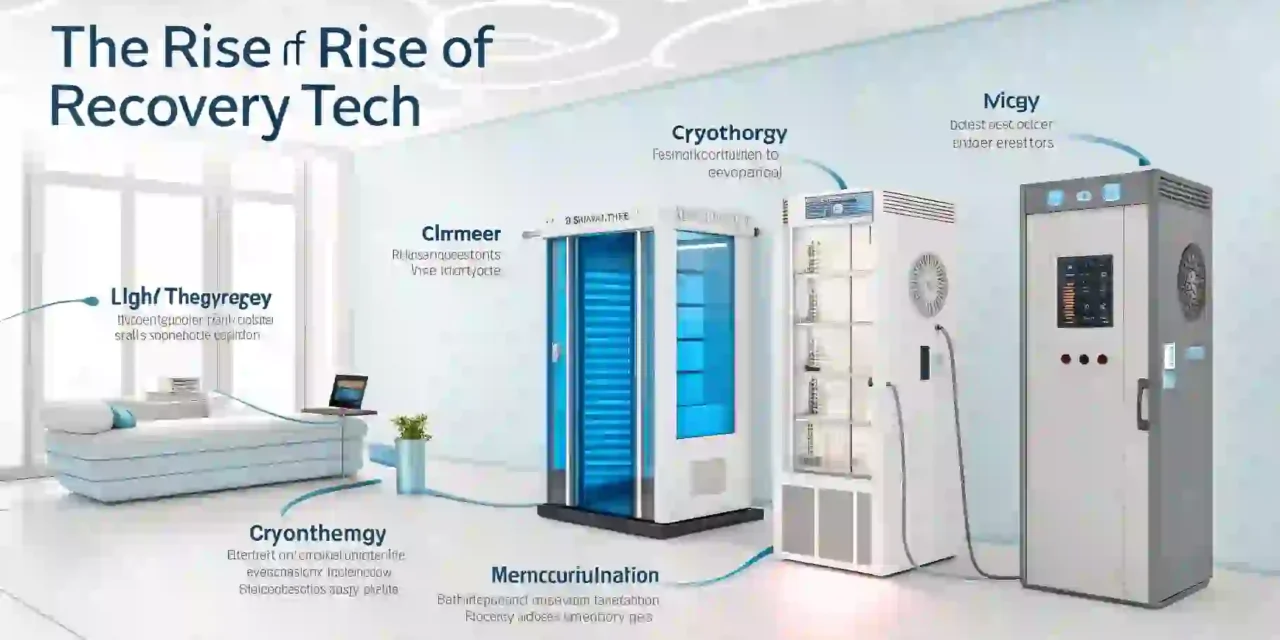
Among the notable advancements in this sector are cryotherapy, light therapy, and neurostimulation. Cryotherapy involves the application of extreme cold to stimulate cellular recovery processes, which is believed to reduce inflammation, alleviate soreness, and hasten rehabilitation from injuries. Athletes frequently utilize this technique as a part of their training regimens, particularly after intense physical exertion, highlighting its role in sport-specific recovery.
Light therapy, on the other hand, utilizes specific wavelengths of light to promote healing and reduce pain. This non-invasive treatment has been adopted in various athletic contexts, with users reporting enhanced muscle recovery and reduced fatigue. The appeal of light therapy lies in its ability to target underlying cellular mechanisms, thereby supporting athletes in maintaining peak performance levels over time.
Neurostimulation represents another innovative approach in recovery technology, employing electrical impulses to stimulate nerves and tissues. This method can help manage pain and improve muscle function, making it a popular tool for both athletes and those seeking effective solutions for chronic pain management. The integration of these advanced technologies into regular training and recovery routines illustrates their growing significance in both competitive sports and everyday wellness practices.
Understanding Cryotherapy
Cryotherapy, a technique known for utilizing extreme cold to facilitate recovery, has garnered attention in the realm of sports and wellness. The practice involves exposing the body to sub-zero temperatures for brief durations, triggering various physiological responses that aid in pain relief and recovery. Athletes often incorporate cryotherapy into their training regimens, as the technique has been shown to effectively reduce muscle soreness and expedite healing from injuries.
There are two primary forms of cryotherapy: localized and whole-body cryotherapy. Localized cryotherapy entails targeting specific areas requiring treatment, often using handheld devices or ice packs. In contrast, whole-body cryotherapy involves immersion in a cryochamber or exposure to cold air, where individuals are enveloped in frigid temperatures for a limited time, usually around three minutes. Both methods have been reported to yield benefits for recovery among athletes by decreasing muscle inflammation and enhancing circulation.
The physiological effects of cryotherapy are largely attributed to its impact on inflammation and blood flow. Upon exposure to extreme cold, blood vessels constrict, reducing blood flow to the treated areas. This constriction leads to a decrease in metabolic activity, thereby lessening inflammation and swelling. As the body warms back up, a process known as rewarming occurs, which allows for vasodilation, facilitating improved blood circulation. This enriched blood flow may also result in the delivery of essential nutrients that support muscle recovery and overall performance.
Scientific studies have highlighted that cryotherapy may contribute to decreased levels of cytokines, substances that can lead to inflammation. As a recovery modality, it appeals to both professional athletes and fitness enthusiasts, drawn by the promise of enhanced recovery times and improved performance in sports. By understanding the mechanisms and benefits of cryotherapy, individuals can make informed decisions about incorporating this technology into their recovery protocols.
The Benefits of Light Therapy
Light therapy, a burgeoning field within recovery technology, encompasses various modalities, including red light therapy and infrared light therapy. These therapies operate on the principle that specific wavelengths of light can penetrate the skin and stimulate cellular processes, leading to enhanced recovery and improved health outcomes. The biological mechanisms underlying light therapy are largely attributed to its impact on mitochondrial function within cells. When exposed to these light wavelengths, mitochondria increase adenosine triphosphate (ATP) production, resulting in heightened energy levels for cellular repair and regeneration.
One notable benefit of light therapy is its capacity to facilitate muscle recovery in athletes. By enhancing circulation and reducing inflammation, athletes often experience quicker recovery times following intensive training sessions or competitions. The application of red and infrared light has been shown to decrease muscle soreness and stiffness, allowing athletes to maintain their performance levels without prolonged periods of downtime. Moreover, this recovery technology has gained popularity among professional sports teams who seek innovative methods to optimize their athletes’ physical capabilities.
In addition to muscle recovery, light therapy provides significant advantages for skin health. The regenerative properties of light therapy help in the treatment of skin issues such as acne, wrinkles, and scars. By promoting collagen production and improving blood circulation, practitioners have seen remarkable results in skin rejuvenation. Several case studies illustrate how athletes utilize light therapy to enhance their performance by ensuring their skin remains in optimal condition, particularly for those participating in sports that demand a visually appealing appearance, such as gymnastics or figure skating.
Overall, the evidence surrounding light therapy presents a promising intersection of wellness and sports performance, signifying its potential as an integral tool in the recovery regimens of both amateur and professional athletes alike.
Exploring Neurostimulation Technologies
Neurostimulation technologies have emerged as significant tools in the realm of recovery, with various applications in pain management, muscle recovery, and cognitive enhancement. One of the most recognized forms of neurostimulation is Transcutaneous Electrical Nerve Stimulation (TENS), which employs low-voltage electrical currents delivered through the skin via electrodes. This technique primarily aims to alleviate pain by modulating the way the brain perceives discomfort. The underlying principle is based on the gate control theory of pain, which suggests that stimulating nerve fibers can block pain signals from reaching the brain.
Another notable innovation in this field includes electrical stimulation devices specifically designed for muscle recovery and rehabilitation. These systems can induce muscle contractions, thereby mimicking the effects of voluntary exercise. As a result, they are popular among athletes seeking to recover faster from rigorous training sessions or injuries. By promoting blood circulation and reducing muscle soreness, neurostimulation methods can significantly enhance physical performance and reduce downtime associated with sports injuries.
The popularity of these technologies has soared, especially in physical therapy and athletic training arenas, where practitioners increasingly integrate neurostimulation into their recovery protocols. Many sports professionals and trainers endorse these techniques for their ability to expedite recovery, allowing athletes to maintain optimal performance levels. Furthermore, neurostimulation has also been researched for its potential to improve cognitive function, presenting opportunities for broader applications beyond traditional recovery methods.
As advancements in medical technology continue to evolve, neurostimulation is likely to become a cornerstone in sports recovery strategies. More athletes and individuals are turning to these methods in their quest for enhanced recovery and performance, paving the way for a future where technology plays an integral role in supporting athletic excellence and overall well-being.
Comparative Analysis of Recovery Technologies
The advent of recovery technologies has revolutionized the approach to sports recovery, enabling athletes to enhance performance and reduce downtime. Among the most notable methods are cryotherapy, light therapy, and neurostimulation, each possessing unique benefits and potential drawbacks.
Cryotherapy, often employed by professional sports teams, involves exposing the body to extremely low temperatures for short durations. This technique is lauded for its ability to reduce inflammation, alleviate muscle soreness, and expedite recovery following intense physical exertion. However, potential drawbacks include risks of frostbite if not properly administered and limited accessibility, as specialized equipment is often required. For athletes with certain health conditions, cryotherapy may not be advisable, thus necessitating careful consideration before incorporation into a sports recovery regimen.
In contrast, light therapy utilizes specific wavelengths of light to stimulate cellular processes, promoting healing and pain relief. This non-invasive technique can be particularly advantageous for those recovering from injuries or dealing with chronic pain, as it can enhance circulation and accelerate tissue repair. However, the efficacy of light therapy may depend on the application duration and the condition being treated, raising questions about its effectiveness compared to other recovery methods. It is also worth noting that some may not respond as positively to light therapy, making it essential to assess individual responses.
Neurostimulation, another prominent recovery technology, employs electrical impulses to stimulate muscles and nerves. This method can effectively reduce pain, enhance blood flow, and improve muscle function, making it an attractive option for both athletes and recreational sports enthusiasts. Despite its benefits, neurostimulation devices may not be suitable for everyone; those with certain medical implants or conditions should consult a healthcare professional prior to use.
Integrating these recovery technologies into a holistic regimen can be beneficial. Combining cryotherapy with light therapy may maximize recovery outcomes, enabling athletes to manage inflammation effectively while promoting cellular repair. Neurostimulation can serve as an adjunct to these methods, further enhancing recovery outcomes. By understanding the individual benefits and limitations of each recovery technology, athletes can formulate a personalized approach to optimize their recovery in the world of sports.
Scientific Evidence Supporting Recovery Technologies
The rapid advancement of recovery technologies such as cryotherapy, light therapy, and neurostimulation has spurred interest from both the scientific community and sports enthusiasts. Research has increasingly illuminated the efficacy of these methods in enhancing athletic recovery and improving overall well-being. Evidence suggests that cryotherapy, a process involving exposure to cold temperatures, can reduce muscle soreness and inflammation following intense physical activity. Multiple studies have indicated that athletes who utilize cryotherapy exhibit a significant reduction in pain and a quicker return to baseline physiological functions, suggesting its beneficial role in sports recovery.
In addition to cryotherapy, light therapy, which employs specific wavelengths of light to promote healing, has garnered scientific support. Research highlights its ability to accelerate tissue repair and reduce inflammation, thus benefiting athletes who engage in rigorous training. A systematic review of clinical studies indicates that light therapy can improve mitochondrial function, which is essential for muscle recovery after exertion. Such findings position light therapy as a viable option for athletes seeking efficient recovery solutions.
Neurostimulation, another emerging recovery technology, has shown promise in pain management and muscle activation. Scientific studies have reported favorable outcomes, showcasing how this technique can help enhance muscle recovery post-exercise. For example, transcutaneous electrical nerve stimulation (TENS) has been widely researched for its analgesic effects, demonstrating that athletes using this technique experience a decrease in subjective pain levels and improved recovery times.
Moreover, the synergistic effects of combining these recovery methods may yield even greater benefits for athletes. As scientific evidence continues to accumulate, those involved in sports can rely on these findings to make informed decisions about integrating recovery technologies into their training regimens.
Recovery Tech for Everyday People
The advent of recovery technology has transformed the landscape of physical rehabilitation and maintenance. While elite athletes have long utilized recovery methods like cryotherapy, light therapy, and neurostimulation, these technologies are increasingly accessible to everyday individuals and recreational athletes. This shift has enabled a broader population to benefit from advanced sports recovery techniques without the need for a professional sports background.
One of the defining factors contributing to this shift is the growing availability of these recovery solutions at a more reasonable price point. Companies are now producing at-home versions of what was once exclusively applied in high-performance sports environments. For instance, cryotherapy machines, which previously could only be found in specialized clinics, are now available for personal use. Similarly, compact light therapy devices and neurostimulation units can be easily integrated into a home workout space, making recovery tech not just an option for the elite.
Moreover, the increased awareness regarding the importance of recovery in maintaining a physically active lifestyle is encouraging individuals to invest in their well-being. Recreational athletes often experience the same types of fatigue and soreness as professional counterparts; therefore, they can benefit significantly from utilizing recovery technology. With proper application, these methods can enhance performance, minimize downtime, and promote an overall better quality of life.
Additionally, the advent of online communities and instructional content has demystified the use of recovery technology. Everyday users can find resources that guide them on how best to incorporate cryotherapy, light therapy, and neurostimulation into their routines. This accessibility empowers individuals to create personalized recovery regimens that suit their specific needs. It positions recovery technology as not only a complement to active living but as a pivotal component for optimal health and fitness.
Future Trends in Recovery Technology
The landscape of recovery technology is poised for significant transformation as we move further into the future. Innovations in sports science, coupled with advancements in technology, are paving the way for more effective and personalized recovery solutions. One of the most noteworthy trends is the integration of artificial intelligence (AI) and machine learning into recovery applications. These technologies allow for real-time data analysis and feedback, enabling athletes and fitness enthusiasts to tailor their recovery protocols to their specific needs. For instance, devices that provide personalized recommendations based on an individual’s performance metrics can dramatically optimize recovery times and improve overall outcomes.
Another emerging trend is the use of wearables that monitor physiological responses during recovery sessions. These devices can track various metrics, such as heart rate variability and muscle temperature, providing valuable insights into how effectively an athlete’s body is recuperating after intense physical exertion. The continuous development of such technology not only helps athletes fine-tune their recovery routines but also empowers them to prevent injuries by identifying early signs of fatigue or stress.
Moreover, the growing popularity of holistic recovery methods, such as cryotherapy and light therapy, is expected to expand. Future innovations may include advanced cryo chambers utilizing temperature modulation and specialized light frequencies that enhance cellular regeneration. The incorporation of neurostimulation techniques is also on the rise, with research suggesting that these modalities can improve the body’s natural healing processes and reduce pain perceptions.
In summary, the future of recovery technology is bright, driven by ongoing innovations and a deepening understanding of the body’s needs. As these advancements continue to emerge, athletes and fitness enthusiasts alike will likely embrace a more integrated approach to recovery, merging tradition with cutting-edge science to achieve peak performance and overall well-being.
Conclusion and Recommendations
In summary, the emergence of recovery technologies such as cryotherapy, light therapy, and neurostimulation represents a significant development in the sports and fitness industry. Each of these modalities offers unique benefits for physical recovery, pain relief, and overall wellness, making them attractive options for both amateur athletes and seasoned professionals. By utilizing these innovative treatments, individuals can enhance their recovery processes, potentially leading to improved performance and reduced downtime.
When contemplating the incorporation of recovery technologies into a fitness routine, it is crucial to approach it with careful consideration. First and foremost, individuals should consult with qualified professionals, such as sports therapists or trainers, to ensure that these methods align with their personal health profiles and fitness goals. A tailored approach that takes into account individual needs and circumstances will maximize the benefits of recovery tech.
Moreover, it may be wise to integrate these recovery modalities gradually. Start by incorporating one technology at a time, monitoring how your body responds, and adjusting your routine accordingly. For example, if you decide to try cryotherapy, observe any changes in muscle soreness or overall fatigue levels before adding light therapy into the mix. This methodical approach helps prevent overwhelming the body and enhances the effectiveness of each recovery technique.
Lastly, we invite our readers to share their experiences and thoughts regarding recovery technologies. Engaging in discussions about personal journeys with these innovative modalities can enrich our understanding and appreciation of the evolving landscape of sports recovery. Whether you are a seasoned athlete or someone just beginning your fitness journey, your insights can contribute significantly to the dialogue surrounding these effective recovery tools.