Introduction to Virtual Try-Ons
The way consumers interact with fashion has undergone a significant transformation, notably with the emergence of virtual try-ons. This innovative technology has begun to redefine the shopping experience, allowing customers to visualize how clothing and accessories will look on them without the need for physical fitting rooms. Virtual try-ons utilize augmented reality (AR) to create a more engaging and efficient shopping process, which is increasingly important in today’s fast-paced retail environment.
The evolution of shopping experiences is marked by a gradual shift from traditional, brick-and-mortar stores—where fitting rooms served as the sole means of trying on garments—to the rise of digital solutions that integrate seamlessly into consumers’ lifestyles. With the advent of online shopping, retailers initially faced challenges relating to fit and sizing, which often led to high return rates. The introduction of virtual try-on technology has not only addressed these concerns but has also elevated the overall consumer experience within the fashion sector.
Furthermore, the growing interest in virtual try-ons reflects broader consumer trends towards sustainability and convenience. As fashion retailers look to reduce waste generated from returns and streamline shopping, implementing virtual solutions proves integral in fostering a more innovative retail framework. The increasing adoption of these digital tools demonstrates how the fashion industry is adapting to meet the evolving demands and expectations of modern consumers.
The Technology Behind Virtual Try-Ons
Virtual try-ons have emerged as a transformative technology in the fashion industry, allowing consumers to experience how clothing and accessories will look on them without the need for traditional fitting rooms. At the heart of this innovation lies augmented reality (AR), which superimposes digital images onto a user’s real-world environment. This combination of digital and physical elements creates a more engaging shopping experience, offering a seamless interface between the virtual and physical realms.
Machine learning algorithms further enhance this experience by analyzing user data to provide personalized recommendations. These algorithms continuously improve by learning from user interactions, preferences, and feedback. By utilizing vast datasets, they can predict which styles and fits will best suit individual users, thereby promoting a more tailored shopping experience. This dynamic interaction between users and the technology not only streamlines selections but also encourages consumer engagement and satisfaction.
Another critical component of virtual try-on technology is 3D modeling, which allows for the creation of highly detailed digital representations of clothing items. By employing sophisticated software, designers can capture the fabric, fit, and movement of garments, ensuring that the virtual renditions closely resemble the actual products. This level of realism is crucial in fashion, where the drape of a piece can make a significant difference in its overall appeal. Moreover, the integration of realistic textures and patterns enhances the user experience, providing a true-to-life representation that aids in decision-making.
The role of smartphone cameras and wearable devices cannot be overstated in this technological landscape. High-resolution cameras enable accurate capturing of user features and body dimensions, helping to ensure that virtual clothing is realistically displayed. Additionally, wearable devices facilitate an interactive experience, allowing users to customize and adjust the fit and look of garments on themselves in real-time. Together, these technological advancements represent a significant shift in the fashion retail landscape, paving the way for a future where virtual try-ons may well replace traditional fitting rooms.
Benefits of Virtual Try-Ons for Consumers
The emergence of virtual try-ons has transformed the landscape of fashion shopping, bringing forth a plethora of benefits that cater to contemporary consumer needs. One of the most significant advantages is the unparalleled convenience these digital tools offer. In today’s fast-paced world, consumers often find themselves with limited time to shop. Virtual try-ons allow individuals to select garments from the comfort of their homes, eliminating the necessity of physically visiting stores. This flexibility enables shoppers to explore a vast array of styles and options at their leisure.
Moreover, virtual try-ons contribute to substantial time savings. Traditional fitting rooms can often be a source of frustration due to long lines, limited availability, and the discomfort of trying on multiple outfits. With virtual technology, consumers can quickly visualize how various clothing items will appear on their bodies without the need to change clothes repeatedly. This streamlined process encourages shoppers to make informed decisions, ultimately enhancing their overall experience in the realm of fashion.
Another important aspect of virtual try-ons is the ability they provide consumers to visualize how clothing fits their unique body shapes. This not only aids in selecting garments that complement individual styles but also reduces the likelihood of returns due to sizing issues, a prevalent challenge in the fashion industry. Many leading brands, such as ASOS and Zara, have successfully integrated virtual fitting solutions, receiving positive feedback from customers who appreciate the enhanced shopping experience.
For instance, a testimonial from a satisfied ASOS customer highlighted how the virtual try-on feature enabled them to select outfits confidently, leading to increased satisfaction with online purchases. This shift toward tech-driven fashion solutions not only meets the demands of modern consumers but also reflects a broader trend where convenience and personalization are paramount in the retail landscape.
Benefits of Virtual Try-Ons for Retailers
The advent of virtual try-ons presents a transformative opportunity for retailers aiming to elevate their fashion offerings. By utilizing augmented reality (AR) technology, businesses can create immersive experiences that not only attract customers but also streamline their operations. One of the most significant benefits is the reduction in return rates. Traditional fitting rooms often lead to customer dissatisfaction when items do not meet expectations. Virtual try-ons allow customers to visualize how clothing will fit and look on them, reducing the likelihood of returns due to sizing or color discrepancies.
Furthermore, virtual try-ons enhance customer engagement by offering a unique shopping experience that entertains while it informs. Consumers today are drawn to interactive experiences that allow them to personalize their choices. Retailers implementing this technology can leverage gamification elements, such as sharing experiences on social media, which helps in broadening their reach and attracting new audiences. Increased engagement directly correlates with higher conversion rates, positively impacting the bottom line.
Another noteworthy advantage is data collection for better inventory management. Virtual try-on technologies gather valuable information about customer preferences, including popular styles and typical sizing. This data insight not only helps retailers optimize their inventory levels but also supports informed decision-making regarding future fashion lines. A prominent example includes well-known brands like Zara and Warby Parker, who have successfully integrated virtual fitting rooms into their sales strategies. These companies have reported improved customer satisfaction and enhanced operational efficiency, illustrating the profound impact virtual try-ons can have on the fashion retail landscape.
Through the adoption of virtual try-ons, retailers can reshape their approach to selling fashion items, aligning more closely with contemporary consumer expectations while achieving operational benefits that are vital for sustained success in the competitive market.
Challenges and Limitations of Virtual Try-Ons
Virtual try-ons have emerged as a revolutionary tool in the fashion industry, enabling consumers to visualize how garments would look on them without the necessity of physical fitting rooms. However, several challenges and limitations hinder the widespread adoption of this innovative technology.
Technical hurdles represent one of the primary obstacles. The effectiveness of virtual try-on systems relies heavily on advanced algorithms and augmented reality capabilities, which may vary in quality across different platforms. Many existing solutions may struggle to accurately reflect fabric draping, color, and patterns, resulting in potential discrepancies between virtual experiences and real-life outcomes. Consequently, users may hesitate to trust the quality of the digital fitting experience, leading to an unfavorable perception of the method.
User adoption is another significant challenge. While younger generations tend to gravitate towards digital solutions, the broader audience may not be as enthusiastic. Various factors contribute to this resistance, including unfamiliarity with technology, concerns about the accuracy of recommended sizes, and a general preference for the tactile experience of trying on clothes in-store. Moreover, many consumers may be averse to adjusting their established shopping habits, which adds further complexity to the widespread acceptance of virtual fitting solutions.
A critical aspect that brands must address involves the quality of digital assets. High-resolution 3D models are essential for creating realistic representations of garments. However, producing these digital assets demands time and resources that not all fashion companies are prepared to allocate, particularly smaller brands. Furthermore, privacy concerns associated with the collection and utilization of personal data cannot be overlooked. As virtual try-ons often require users to input significant amounts of personal information to make tailored fit recommendations, questions regarding data security and user consent become increasingly pertinent.
In conclusion, while virtual try-ons present an exciting frontier for the fashion industry, various challenges remain to be addressed to ensure their successful implementation and acceptance among consumers.
Impact on Traditional Fitting Rooms
As the landscape of the fashion industry evolves with the advent of virtual try-on technology, traditional fitting rooms may face significant implications. Virtual try-ons allow consumers to visualize how clothing will look on them without the need for physical trials, potentially altering shopping behaviors and expectations. This technological advancement empowers shoppers to make more informed decisions by providing an interactive experience that can be accessed from the comfort of their homes. Consequently, fewer customers may choose to utilize conventional fitting rooms, prompting a re-evaluation of their importance within retail spaces.
The shift in consumer behavior may lead to a transformation in store layouts. Retailers could reduce the number of fitting rooms or redesign them to complement this new purchasing style. Spaces might be repurposed for enhanced customer experiences centered around augmented reality (AR) displays, where shoppers can engage with virtual fitting solutions in-store. Traditional fitting rooms may need to adapt by integrating screens that display digital avatars or offer virtual styling advice, thereby maintaining relevance in an increasingly digitized shopping environment.
Moreover, as retailers embrace virtual try-ons, they will have to redefine the in-store experience. This may involve training sales associates to assist customers in navigating virtual technologies and creating a seamless blend between online and offline shopping. Retailers can enhance the shopping experience by providing tools that encourage customers to explore a wider range of styles and sizes, addressing common pain points associated with traditional fitting room usage. As the integration of virtual try-ons becomes more ubiquitous, the retail sector must reimagine how consumers engage with fashion and redefine the roles of fitting rooms to align with evolving consumer preferences.
Future Trends in Virtual Try-Ons
As the retail landscape continues to evolve, the future of virtual try-ons holds promising developments that could reshape the way consumers engage with fashion. One anticipated trend is the focus on personalization. Technology that utilizes artificial intelligence and machine learning is likely to refine the virtual try-on experience by analyzing individual body types, preferences, and even past shopping behaviors. This level of customization will allow consumers to receive tailored recommendations, making their engagements with fashion items more relatable and satisfying.
Another critical area for development is the accuracy of fit. Augmented reality (AR) and 3D scanning technologies are improving at a rapid pace. Future virtual try-ons are expected to utilize advanced algorithms that translate the measurements of a user’s unique body shape, ensuring greater precision in how garments are displayed on the digital avatar. The objective will be to minimize the discrepancies between online and in-store shopping, relieving consumers of the anxiety often associated with sizing when purchasing fashion items online.
The integration of virtual try-ons with social shopping experiences also beckons as an exciting future trend. This convergence could create an interactive environment where friends and family can join in on the shopping journey, allowing consumers to receive real-time feedback on their chosen outfits virtually. Platforms may emerge that combine social elements with advanced virtual fitting capabilities, marking a significant enhancement in how people approach fashion shopping experiences. Through these innovations, it’s likely that the overall shopping experience will become more immersive, engaging, and community-oriented.
As we consider these developments, it is clear that virtual try-ons can redefine the retail experience. With a focus on personalization, improved accuracy, and social integration, the future may see virtual fitting rooms becoming not only a tool for convenience but a platform for enriched customer engagement with fashion.
Consumer Education and Adoption Strategies
As the landscape of retail continues to evolve with technology, virtual try-on solutions are gaining traction as a compelling alternative to traditional fitting rooms. To maximize the adoption and effectiveness of these innovative fashion tools, consumer education is essential. Retailers must prioritize initiatives that inform customers about how virtual try-ons work and the benefits they offer, such as convenience, personalized shopping experiences, and the ability to envision fashion choices before purchase.
One effective strategy for fostering consumer understanding involves creating engaging tutorials. These should demonstrate the functionality of virtual try-on tools through step-by-step guides, interactive videos, or live demonstrations, which can be shared via the retailer’s website and social media platforms. By incorporating various multimedia formats, retailers can cater to different learning preferences and make the concept of virtual fitting more approachable. Moreover, hosting webinars and Q&A sessions can deepen consumer insights while encouraging real-time engagement.
In addition to educational content, providing incentives can further stimulate interest. Fashion retailers could consider offering special discounts or loyalty points for customers who utilize virtual try-ons or share their experiences on social media. This not only promotes the virtual try-on feature but also fosters a community atmosphere where customers feel part of an innovative fashion movement. Furthermore, marketing campaigns that highlight user testimonials and success stories can enhance credibility and encourage more hesitant shoppers to try the technology.
Social proof can be a powerful motivator, and when consumers see their peers effectively using virtual try-ons to make fashion choices, they are more likely to embrace it themselves. By combining thorough education, compelling incentives, and robust marketing efforts, retailers can significantly enhance consumer acceptance and create a seamless transition towards embracing virtual try-on technologies in the fashion sector.
Conclusion: The Future of Shopping
As we explore the rise of virtual try-ons, it becomes evident that these technologies hold the potential to significantly alter the fashion retail landscape. Virtual try-ons leverage augmented reality and artificial intelligence, providing consumers with the opportunity to visualize how clothing would appear on them without the need to physically wear each item. This innovative approach not only enhances convenience but also reduces the time and effort traditionally associated with shopping for apparel.
The integration of virtual try-on solutions is likely to result in a more efficient shopping experience, as customers can easily browse through a wider range of products. Retailers can expect to see reduced return rates, as consumers can make more informed purchasing decisions thanks to the accurate representation of how garments will look on them. This advance is particularly beneficial in today’s fast-paced environment, where consumers value time and convenience, often leading them to favor online shopping over traditional brick-and-mortar stores.
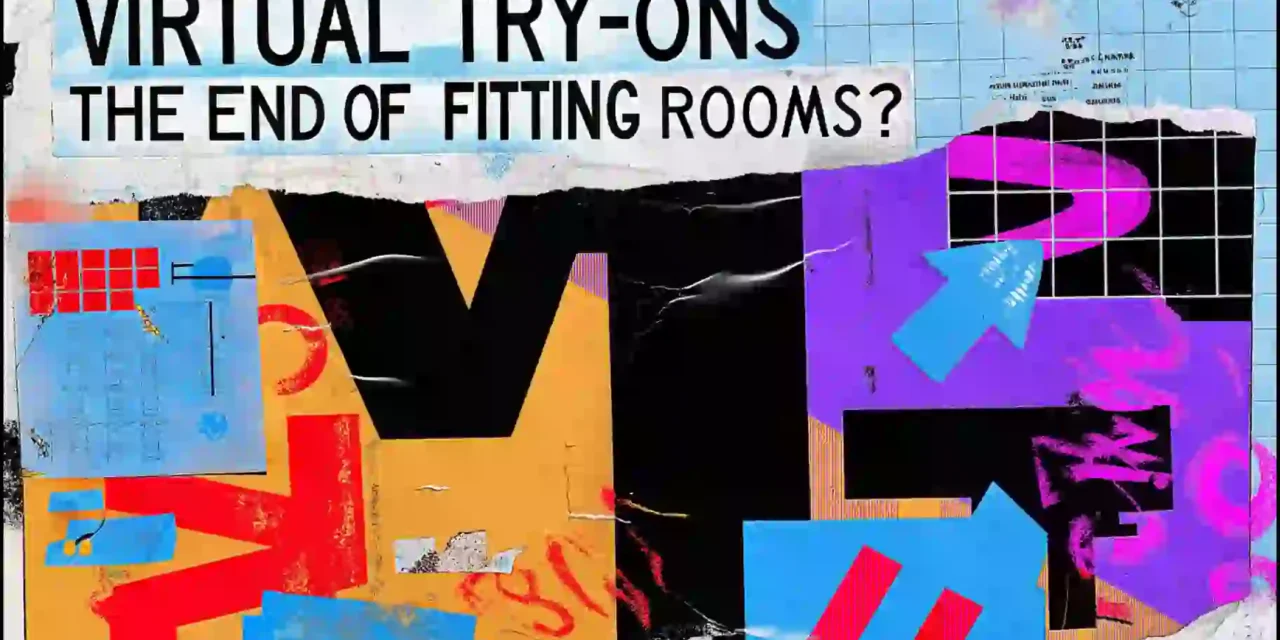
However, the question remains whether virtual try-ons will completely replace physical fitting rooms or exist alongside them. While technology has made significant strides, the tactile experience of trying on clothing in-store offers emotional and social benefits that virtual platforms may not fully replicate. Many shoppers still appreciate the opportunity to touch fabrics, gauge fit, and seek assistance from sales associates. Thus, it seems plausible that a hybrid model will emerge, where virtual try-ons complement fitting rooms rather than eliminate them altogether.
In conclusion, the future of shopping appears to be a fusion of technology and personal interaction. Virtual try-ons promise to enhance the fashion retail experience while allowing physical stores to maintain a role in the consumer journey. This evolution signifies a dynamic shift in how consumers, retailers, and the entire fashion industry approach the shopping experience, fostering a more engaging and satisfying environment for all parties involved.